Start by naming what feels stuck
A frustrating hobby session can make every problem look the same: you’re not getting better. Before signing up for a class or repeating the exercise, describe the difficulty as specifically as you can. Are you unsure what to do next? Do you know the steps but dislike the result? Or can you produce a good result sometimes, just not reliably?
Try writing one sentence after a session: “I can do this part, but I get lost when…” A beginner cook might understand a recipe yet struggle to judge when a pan is hot enough. A sketcher might finish drawings but be unable to see why the proportions feel off. A guitarist might know a chord change but need more time to make it smooth. Those are different problems, and they call for different kinds of help.
Keep the question small. You don’t need to diagnose your entire progress as a photographer, gardener or dancer. Choose one skill you can work on during the next few sessions. A narrow question makes it easier to find a useful lesson, request focused feedback or design practice you’ll actually finish.
Choose a lesson when the method is unclear
A lesson is most useful when you’re missing a concept, a sequence or a demonstration. You may be copying what someone does without understanding why it works, or you may be improvising because you don’t know a basic technique. If every attempt ends with the same question—“What am I supposed to do here?”—more repetition may only reinforce your guess.
Look for instruction that answers your immediate question rather than covering the whole hobby. If you’re learning to sew, a short lesson on adjusting thread tension may help more than a broad beginner course. If you’re learning a language, an explanation of a sentence pattern may give your next conversation practice a purpose. Take one idea from the lesson and test it promptly; collecting explanations can feel productive without changing what you do.
You may also need a lesson when safety or equipment setup matters. For hands-on activities, pause rather than repeatedly attempting a technique you don’t understand. Choose instruction appropriate to your tools and experience, and leave tasks beyond your comfort or competence to a qualified person.
Ask for feedback when you can’t see the gap
Feedback helps when you can complete the task but can’t tell what would improve it. You may have watched lessons, followed the steps and practiced, yet still feel unsure whether you’re addressing the right problem. Another person can often notice a habit, hear a difference or ask a question that you wouldn’t think to ask yourself.
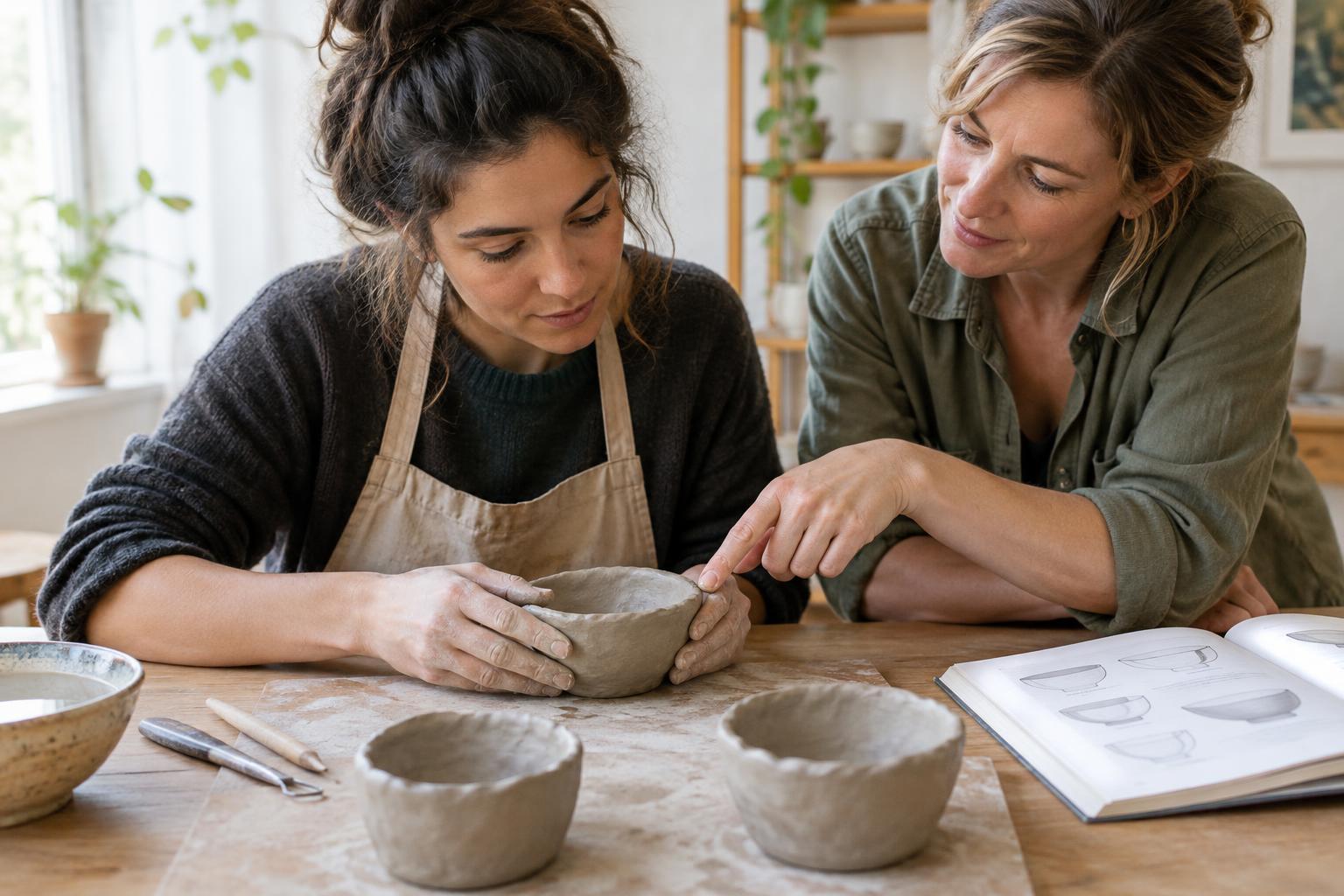
Make the request easy to answer. Instead of “What do you think of my work?” try “Is the main subject clear in this photo?” or “Where does this short story become confusing?” Share what you were trying to do and ask for one or two changes to consider. A teacher, hobby group or experienced friend can give informed feedback; a fellow beginner can still tell you how the result comes across to them.
Treat feedback as information, not a verdict on your ability. You don’t have to apply every suggestion, especially when people prefer different styles. Look for comments that address your goal, choose one adjustment and try another version. If you receive conflicting advice, a brief lesson on the underlying technique may be a better next step than asking more people.
Practice when you understand the task but can’t do it consistently
Sometimes there is no missing explanation. You know what to listen for, look for or do, but the skill takes more attention than you can reliably give it. That’s a good sign you need practice. Practice gives you repeated chances to notice a cue, make an adjustment and gradually become more comfortable with the movement or decision.
Make the repetition specific enough to learn from. Rather than spending an entire afternoon “getting better at drawing,” spend twenty minutes drawing the same simple object from three angles. Rather than cooking a new dish every time, repeat one familiar meal and concentrate on a single step. Change one variable when you can, so you have a better sense of what made the difference.
Not every session needs to be a drill. Enjoying the hobby is a reason to do it. But if you want to improve a particular skill, separate a short practice block from time spent playing or making something for pleasure. If focused attempts keep producing the same confusing result, return to a lesson or ask for feedback instead of repeating them indefinitely.
Run a small weekend experiment
When you’re still unsure, use your next session to test what kind of help works. Pick one sticking point and set aside a manageable amount of time. First, try the task as you normally would. Then choose one intervention: learn one technique, get one focused response to your work or repeat one small exercise. Notice whether the next attempt feels clearer, more controlled or simply different.
End by recording two things: what changed and what question remains. If instruction gave you a workable method, schedule time to use it again. If feedback identified a gap, make a version that addresses it. If practice helped you become more consistent, repeat the exercise later before making it harder. Progress may be uneven, but you’ll have a reason for your next step rather than a vague sense that you should do more.
A hobby should have room for curiosity as well as improvement. The point of choosing between a lesson, feedback and practice isn’t to turn every weekend into a performance review. It’s to spend your limited free time on the kind of support that makes the next session more satisfying.