Start with storage, not the microwave
The best reheating method cannot restore a crisp topping that spent the night soaking in sauce. Before putting dinner away, look at its components: what should stay crunchy, what needs moisture, and what tastes best cold? Pack those parts separately when you can. Keep dressing apart from greens, sauce apart from fried or roasted food, and crunchy toppings apart from soups and casseroles. A few small containers may make tomorrow’s meal much more inviting.
Put perishable leftovers in the refrigerator promptly, generally within two hours of cooking or serving. Divide a large batch into shallow containers so it cools more evenly rather than leaving a deep pot on the counter. Use covered, food-safe containers and label them if the contents might be forgotten. As a general rule, use refrigerated cooked leftovers within three to four days or freeze them for longer storage. If food has been left out too long or you are unsure how it was handled, reheating is not a reliable fix.
Match the container to the food
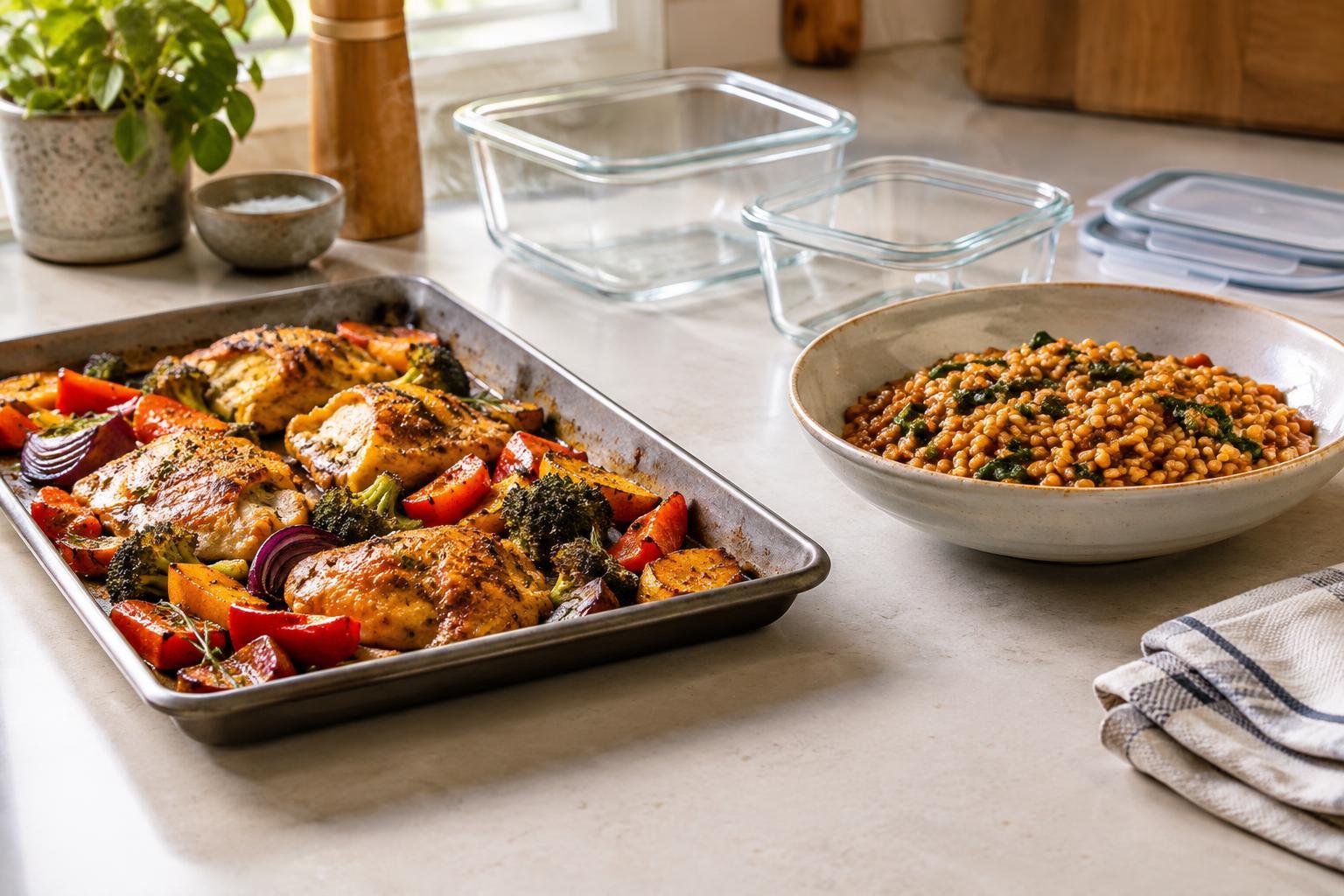
An airtight container helps protect many leftovers from drying out or picking up refrigerator odors, but the way you fill it matters. Give delicate foods room instead of pressing them into a tight stack. Store roasted vegetables in a single layer if space allows; pile them up only after they have cooled enough that trapped steam will not make them soggy. Keep a little cooking liquid with braised dishes, beans or shredded meat so they have moisture to draw on later.
If you plan to freeze portions, pack them in amounts you are likely to eat at one sitting. This makes thawing and reheating more even and avoids warming the whole batch repeatedly. Soups, stews and sauces usually portion easily. Foods prized for a crisp coating are less forgiving in the freezer, but separating them from wet accompaniments still helps. Let frozen leftovers thaw in the refrigerator when you can plan ahead, rather than leaving them on the counter.
Use dry heat for crisp edges
For pizza, roasted potatoes, breaded cutlets and many roasted vegetables, a skillet, oven or air fryer is often a better choice than the microwave. Dry heat helps drive off surface moisture. Spread pieces out rather than crowding them, and turn them if one side is browning faster. A covered skillet can help warm a thick piece through; uncover it near the end to bring back some crispness. Watch closely, since small portions can go from pleasantly browned to dry.
Pizza offers a simple example: warm a slice in a skillet over moderate heat until the base firms up, then briefly cover the pan if the cheese still needs warming. For roasted vegetables, a lightly oiled pan or baking sheet can revive browned edges. Skip extra oil at first for foods that already contain plenty. The aim is to warm the center while letting the outside dry slightly, not to cook the meal all over again.
Add moisture where it belongs
Rice, pasta, grains and saucy dishes usually need the opposite approach. Add a small splash of water to plain rice or grains, cover, and heat until hot throughout; a fork can loosen them afterward. Refrigerate cooked rice promptly, as you would other perishable leftovers, rather than letting it sit out. For pasta, a little water or extra sauce helps loosen noodles as they warm. Stirring partway through microwave reheating reduces cold spots and keeps the edges from overcooking.
Soups and stews can be warmed in a saucepan with occasional stirring, adding liquid only if they have thickened more than you like. For a small microwave portion, use a microwave-safe dish and a loose cover to limit splatters and retain moisture. Heat leftovers until steaming hot throughout, checking the center as well as the edges. If you use a food thermometer, 165°F is a useful target for reheated leftovers. Give the food a moment to settle, then stir and check again if the heating was uneven.
Rebuild the meal at the end
Some textures are best preserved by not reheating them at all. Add fresh herbs, lettuce, pickles, toasted nuts or crisp breadcrumbs only after the hot part is ready. A spoonful of yogurt or a cool sauce can brighten a reheated bowl, provided it was stored safely. Leftover bread may be better toasted than microwaved, while a dressed salad that has already softened may work better tucked into a sandwich than served as a crisp side.
When time is short, reheat only the portion you plan to eat and choose one small finishing touch. A hot bowl of grains with separately warmed vegetables and a fresh topping can feel like a new meal without another full cooking session. Thinking about moisture, space and heat before storing dinner makes that quick weekend lunch easier to enjoy.