Choose one meal, not a whole weekend menu
Fifteen minutes is enough to remove a few obstacles from a meal, but not enough to prepare everything you might cook over the weekend. Start by picking one likely meal: a tray of roasted vegetables with a protein, a pot of pasta, grain bowls or quick wraps. You do not need a fixed recipe. You just need to know which ingredients you will reach for first and what tends to slow you down.
Before starting the timer, clear a small workspace and take out a cutting board, knife, clean towel and a few containers. Check that you have the main ingredients, then choose two or three prep jobs. If the meal needs a long-cooking ingredient, such as rice or beans, decide whether you will use a ready-to-eat version instead. The goal is to make cooking easier later, not to squeeze an entire cooking session into a quarter of an hour.
Spend the first five minutes getting organized
Begin with the ingredients you already have. Put the vegetables, herbs, canned goods and seasonings for your chosen meal together on the counter. Grouping them now prevents a second search through the kitchen when you are ready to cook. If you notice something missing, make a short note and choose a simple substitute if possible. A different sturdy vegetable or a pantry seasoning you enjoy may work just as well.
Next, wash your hands and any produce you plan to use. Dry produce before cutting or storing it; excess moisture can make some chopped ingredients less pleasant to use later. You can also set out a serving bowl or baking tray if space allows. These small steps may seem modest, but they turn a vague meal idea into a clear starting point.
Use the middle minutes for the biggest time-saver
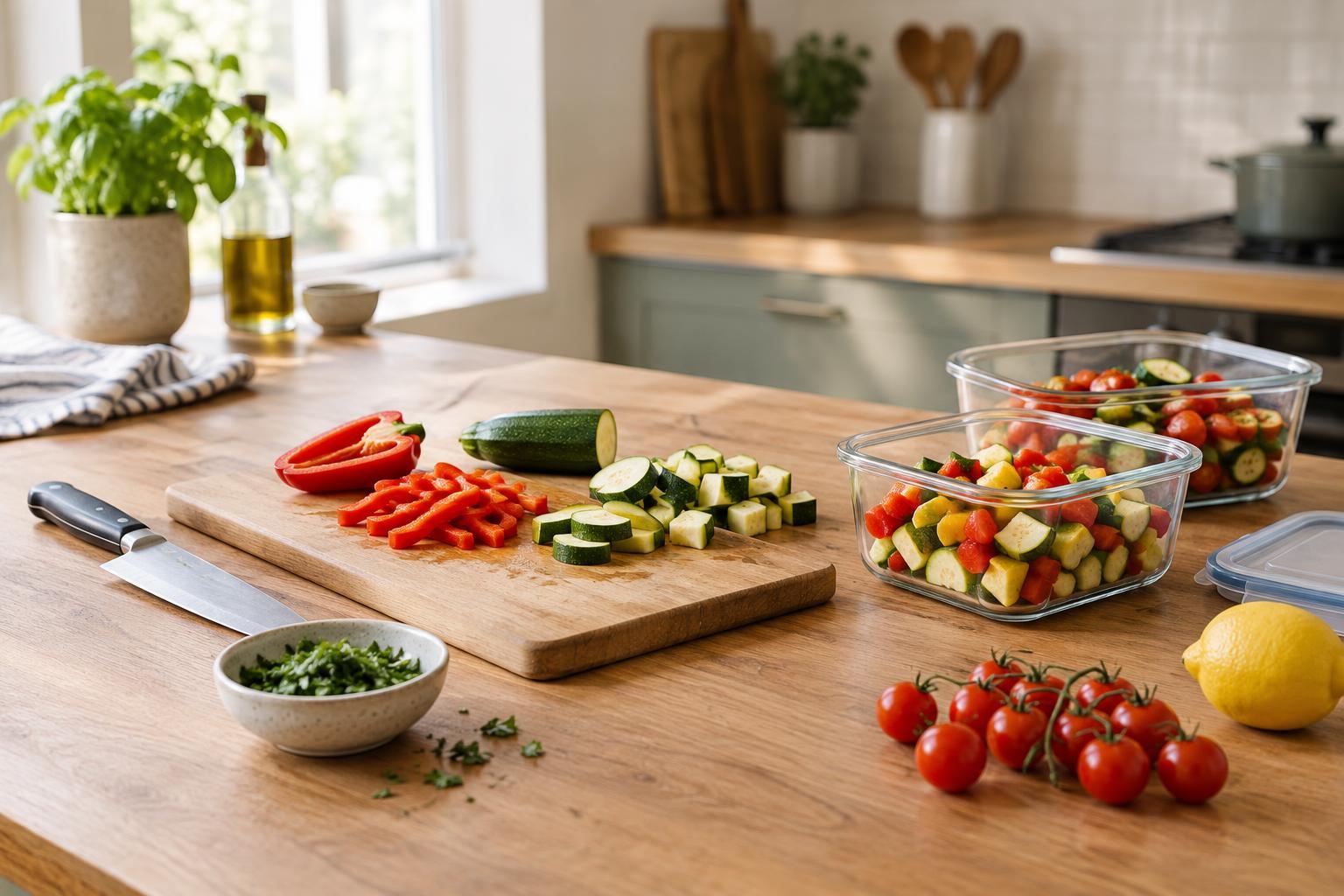
Choose one chopping task that will matter most when you cook. Dice an onion and slice peppers for a skillet meal, cut carrots and broccoli for roasting, or chop sturdy vegetables for a soup. Keep pieces roughly similar in size when they will cook together. There is no prize for preparing every ingredient now: doing one useful job completely is better than leaving several half-finished.
If chopping is not your main bottleneck, make a quick sauce instead. Stir together a dressing from oil, an acidic ingredient such as lemon juice or vinegar, and seasonings you like. Or combine yogurt with herbs for a topping. Taste and adjust before putting it away. A sauce prepared ahead can make simple cooked ingredients feel like a finished meal without adding much work at serving time.
Finish with storage and a quick reset
Use the final minutes to put prepped ingredients in covered containers and refrigerate anything that needs chilling promptly. Keep ingredients separate when that will preserve their texture: dry greens away from dressing, for example, and crisp toppings away from moist fillings. If you prepare raw meat, keep it separate from produce and ready-to-eat foods, and clean the board, knife and work surface thoroughly afterward. On a short prep day, it may be simpler to leave raw meat sealed until you are ready to cook.
A brief reset matters too. Put away the knife, wipe the counter and place the containers where you will see them. If a cooked ingredient or a condiment is needed later, leave yourself a short note rather than relying on memory. When it is time to make the meal, you should be able to open the fridge and see your next step.
Match the routine to the way you actually cook
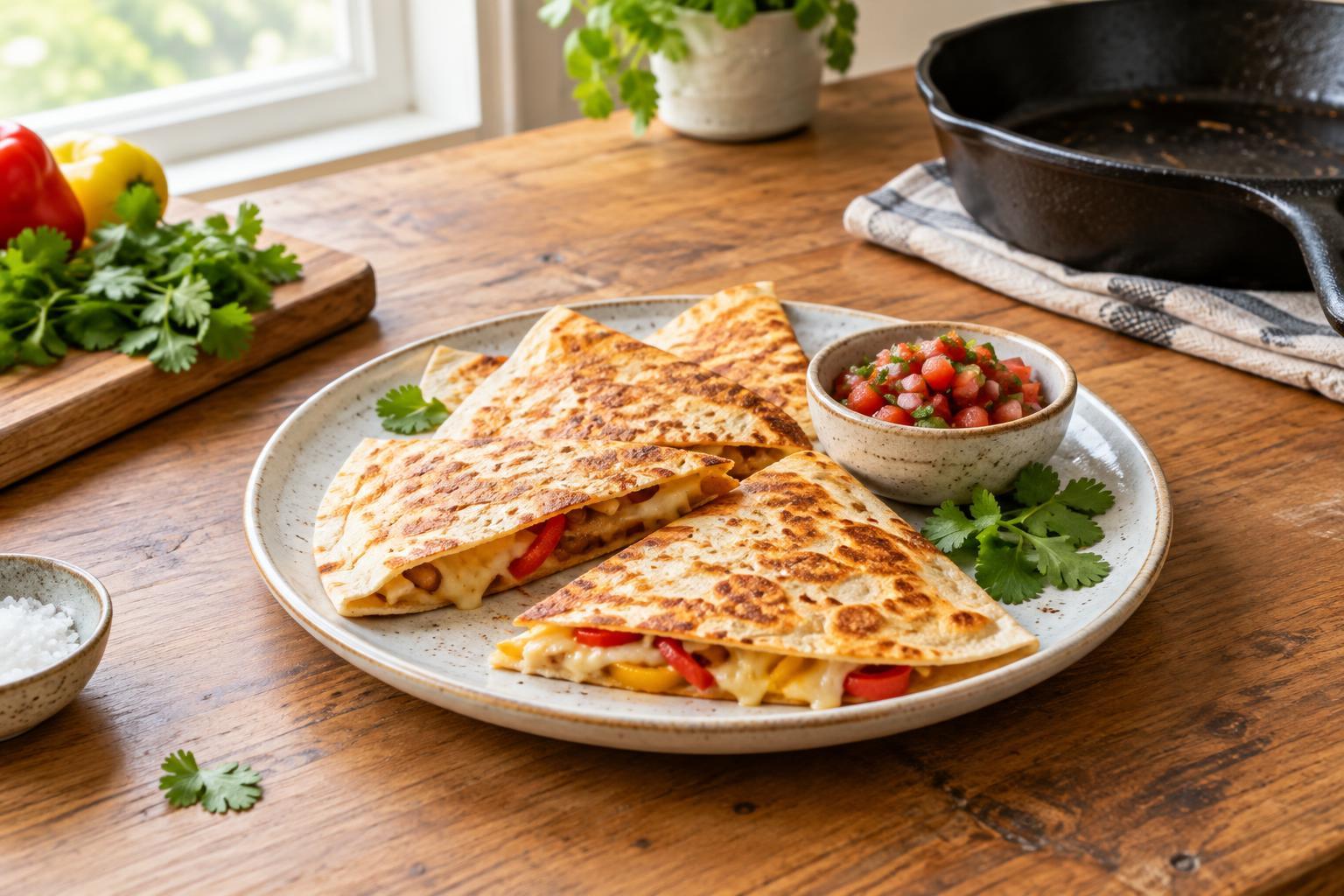
The best 15-minute session changes with the meal. For pasta night, you might wash greens, chop garlic and mix a simple topping. For grain bowls, slice vegetables and make a dressing. For wraps, prepare a crunchy filling and gather the spreads. If you are unsure what you will cook, prep versatile ingredients rather than committing everything to one dish: washed greens, sliced sturdy vegetables or a sauce can fit several meals.
Treat the timer as a boundary, not a test. Stop when your chosen jobs are done, even if more prep is possible. Some ingredients are better cut close to serving, and some weekends call for a shortcut such as frozen vegetables or prewashed salad. A useful prep session does not make cooking effortless; it makes the first few steps obvious, so a simple meal is easier to start when you are ready for it.