Start with the person, not the itinerary
A short outing can be a welcome change of scene without taking over the whole day. When someone in your group has limited mobility, the best starting point is to ask what they would enjoy and what would make the trip comfortable. Avoid guessing how far they can walk or which activities they can manage. Mobility needs can vary from day to day, and the person may have preferences that are not obvious to anyone else.
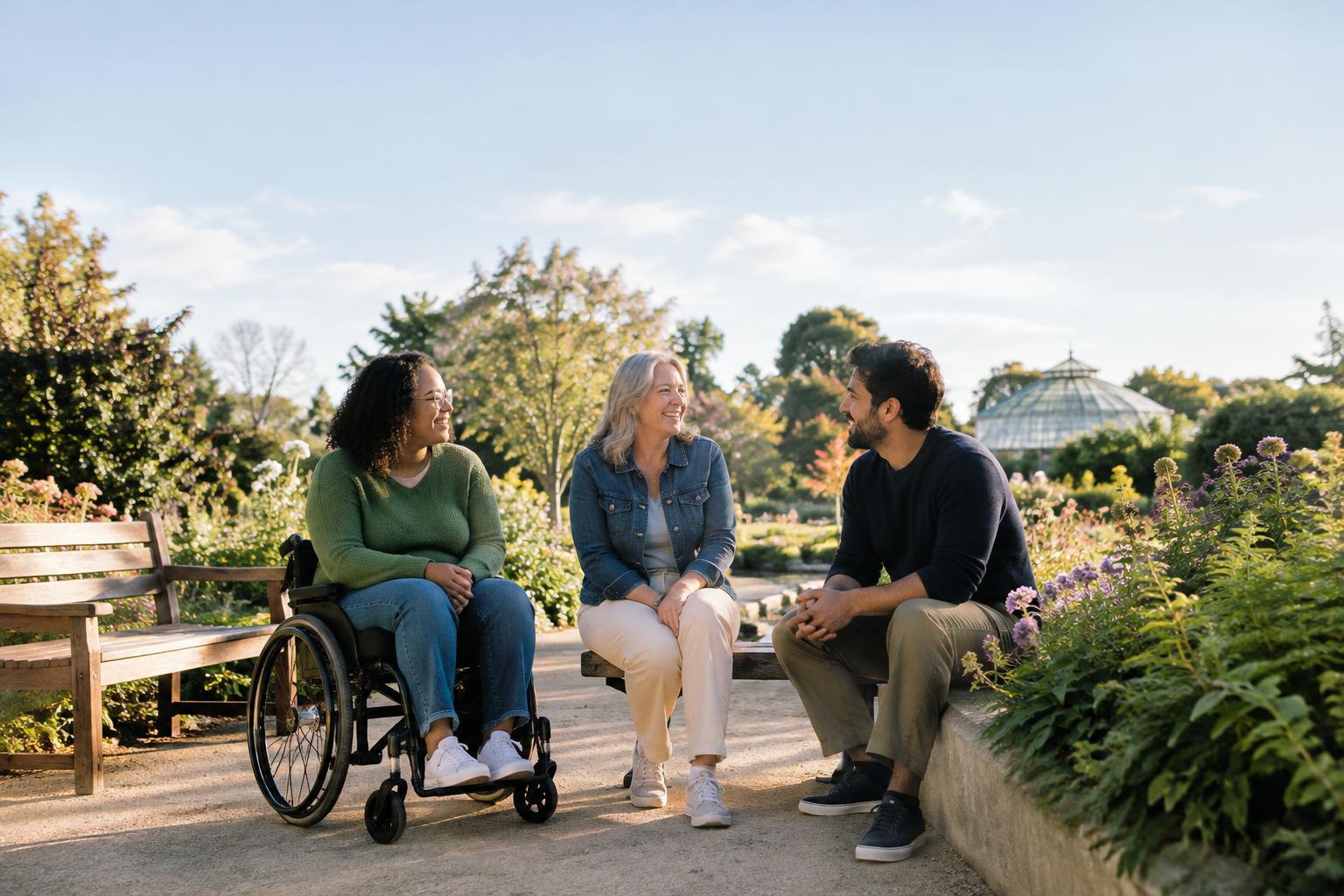
Offer a few appealing possibilities rather than presenting a finished plan for approval. A café near a scenic spot, a garden with places to sit, or a small museum may each offer a different kind of afternoon. Ask practical questions gently: Would a shorter visit feel better? Is standing in line a concern? Would they rather drive close to the destination or use another form of transport? Let their answers shape the plan while keeping the outing focused on something fun.
Choose one main attraction and check the details
For a limited-time trip, one satisfying stop is often better than a string of stops. Look for a destination where the main activity is easy to reach and where the group can enjoy being together without constantly moving. An accessible route to a viewpoint, for example, matters more than the number of trails nearby. If the destination has several entrances or levels, find out which route leads to the part you actually want to visit.
Before you go, check the details that can change the experience: the distance from parking or transit to the entrance, steps or steep slopes, seating, restrooms, and whether there is a place to pause indoors or out of the weather. A venue’s accessibility description may not answer every question, so contact it when an essential detail is unclear. Ask about your specific route rather than relying on a general label such as “accessible.” If you cannot confirm a feature the group needs, consider a different destination.
Plan the journey as part of the outing
Getting there and back takes energy too. Compare transport options with the whole trip in mind, including transfers, parking, drop-off points and the walk between a stop and the entrance. If someone uses a mobility aid, make sure the chosen vehicle or service can accommodate it before finalizing the plan. A convenient drop-off can help, but the driver also needs a workable place to park or meet the group afterward.
Keep the schedule loose enough for an unhurried arrival. Identify a comfortable meeting spot if people are traveling separately, and share the destination’s entrance details so nobody has to search for the group. It can also help to decide in advance how long you expect to stay and how you will leave. A short trip feels more relaxing when returning home does not depend on everyone having energy for one last long walk.
Make breaks part of the experience
A break does not have to feel like an interruption. Choose a place where sitting down is part of the appeal: a café table, a bench with a view, or a quiet corner of a gallery. If seating is uncertain, check ahead or pick a destination with a reliable alternative nearby. Think about water, shade or shelter, and a simple snack if those would make the visit more pleasant for the group.
Give people permission to move at different speeds without turning the outing into a race. Some may want to browse longer while others settle in one spot; agree on an easy place to reconnect. Keep bags and extra gear manageable so nobody has to juggle more than they want to carry. Small choices like these make it easier for everyone to pay attention to the outing rather than the logistics.
Keep a backup plan—and let it be enough
Even a carefully checked plan can meet an unexpected queue, closed restroom or change in weather. Pick a nearby backup that asks less of the group, such as a seated meal instead of a walk, or be ready to head home early. Share that option beforehand so changing course feels normal rather than disappointing.
On the day, check in without repeatedly putting one person on the spot. A simple “Shall we stay, take a break or call it a day?” gives everyone a say. The measure of a successful short outing is not how much ground you cover. It is whether the group had time to enjoy something together and could end the trip comfortably.