Start with the feeling you want
A free morning or afternoon can tempt you to fit in everything nearby. Before choosing stops, decide what you want from the outing instead. Perhaps you want to walk somewhere green, browse without an errand list, see something unfamiliar or sit over a slow lunch. That intention gives you a useful test: if an activity does not support it, you can leave it for another weekend.
Choose one main destination and give it the best part of your available time. A park, neighborhood, gallery or market can each be an outing on its own. You do not need to see every corner to make the trip worthwhile. Pick one thing you would be glad to do there, such as following a trail, looking through a few rooms or finding a place to sit and watch the surroundings.
Plan the whole time window, not just the visit
Decide when you need to be home, then work backward. Include getting ready, reaching your destination, finding the entrance or a place to park, and traveling back. Leave a buffer for a missed turn, a queue or a longer conversation than expected. If the destination has opening hours, check them while planning rather than assuming they will fit your schedule.
It helps to set a departure time from the main stop, not only a time to leave home. That small decision keeps the return journey from becoming a surprise. If travel will take a large share of the half-day, consider somewhere closer. A modest destination with room to linger may feel more satisfying than an ambitious one that requires you to watch the clock.
Give each stop a job
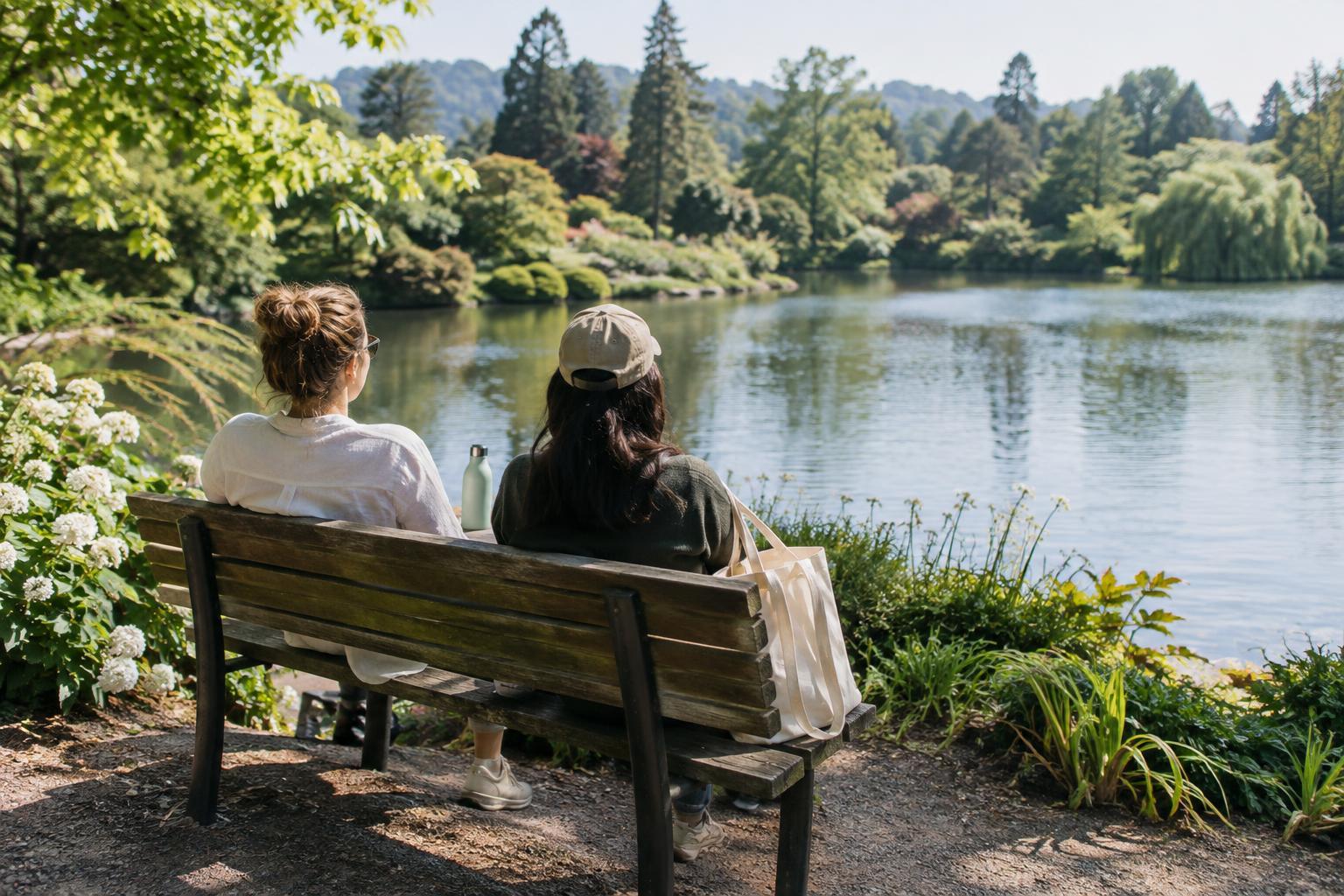
A simple route often works best: one main destination, a place to pause, and perhaps one optional stop near the way home. The pause might be a café, a bench or a quiet spot to eat something you brought. It is not wasted time between activities; it gives you a chance to enjoy where you are and decide how much energy you have left.
Make the optional stop genuinely optional. If you have time and feel curious, you can visit the bookshop or take the scenic path. If not, head home without treating it as a failed plan. Avoid building an outing around several places that require separate journeys or strict arrival times. Each extra transfer creates another opportunity to hurry.
Prepare enough to stay comfortable
A few checks can prevent small inconveniences from taking over. Look up the route and any entry requirements, and consider whether the walking distance, seating and facilities will suit everyone coming along. Check the forecast close to departure and choose shoes and layers for the conditions you may encounter. If you are meeting someone, agree on one clear meeting point rather than a loose area.
Pack lightly, but cover the basics you are likely to need: water, a charged phone, a payment method and any personal essentials. Think about food before you get hungry. You can plan a meal, bring a snack or identify a couple of nearby options without committing to another timed stop. Preparation should remove decisions during the outing, not turn the morning into a project of its own.
Let the plan change without losing the day
Crowds, weather or a change in energy can alter even a simple route. Keep a smaller version of your outing in mind: a shorter walk, one indoor visit or just a drink somewhere pleasant before heading home. You can also stay longer at the first place and skip the rest. The purpose of a flexible plan is to give you choices, not to fill every available minute.
When it is time to leave, allow the return journey to be part of the outing rather than a race back to regular life. A little unclaimed time at the end makes it easier to put things away, rest or prepare for what comes next. A half-day can feel generous when you give one experience your attention and let the other possibilities wait.