Start with the kind of outing you need
When free time is limited, a search for somewhere new can turn into a project of its own. Before opening a map, decide what would make this outing feel worthwhile. Do you want fresh air, a change of scenery, a place to browse, or somewhere to sit with a drink? Pick one main aim rather than trying to fit everything into a single afternoon.
Next, set a comfortable travel limit. That might mean a place you can reach on foot, a short transit ride, or a drive that still leaves plenty of time to enjoy the destination. Think about the whole trip, including parking, walking from a stop, and getting home. A modest destination that suits your energy often makes a better weekend plan than an ambitious one that uses it all up.
Search around your favorites, not just for new attractions
Your usual places are useful starting points. Look at the area around a familiar park, café, library, or shopping street and move the map a little farther than you normally would. You may notice a smaller green space, a different entrance to a trail, a side street with independent shops, or a public square you have always passed without stopping.
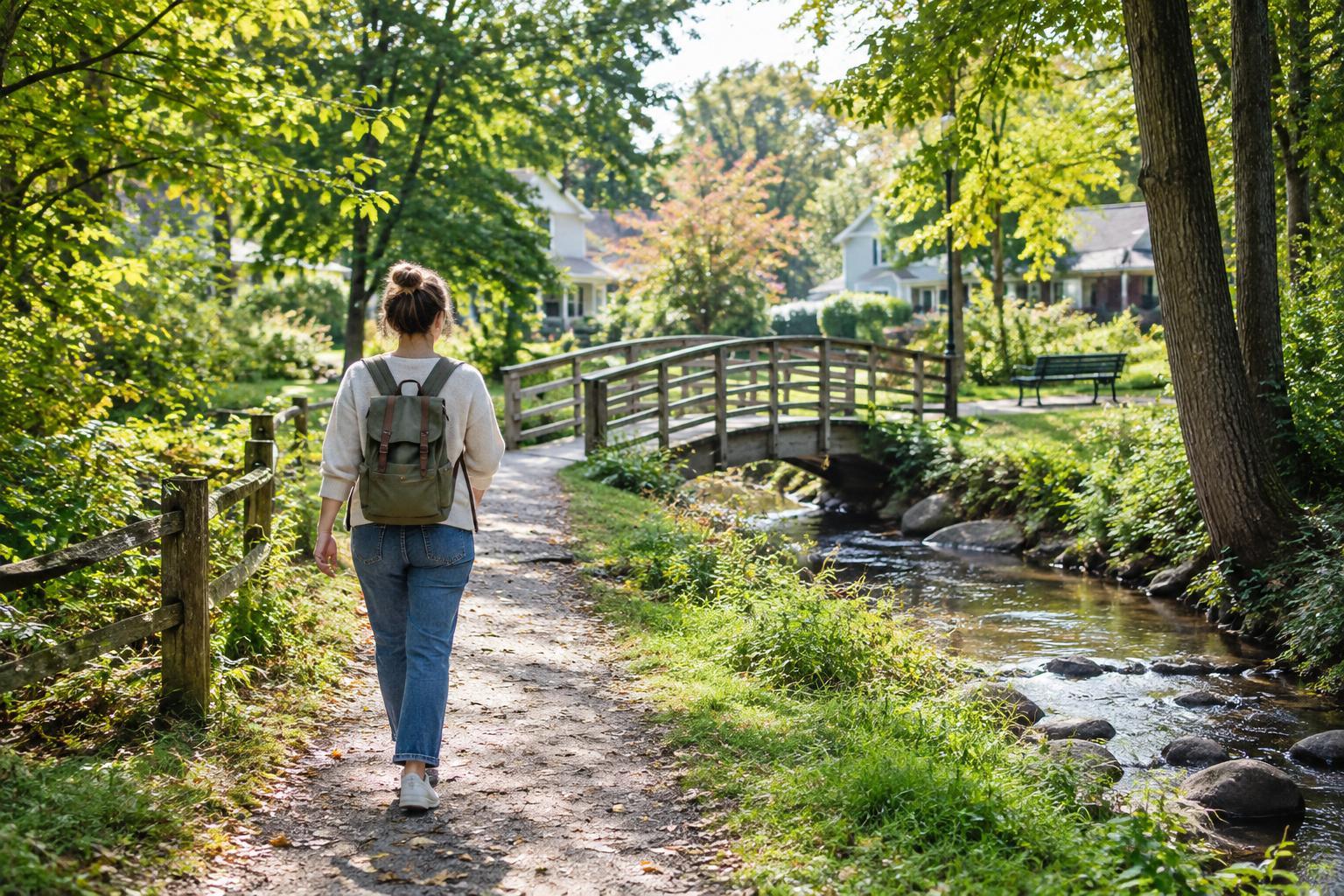
Try searching for a type of place rather than a must-see destination: gardens, waterfront paths, bookshops, markets, public art, or nature trails. If a result catches your eye, inspect the surrounding blocks too. The best short outing may be a simple pairing, such as a walk followed by a snack, rather than one landmark that has to carry the entire trip.
Look for clues you can verify
A promising name on a map does not tell you what a visit will feel like. Check the basics that matter to you: opening hours, public access, entry costs, transit options, restrooms, and whether the route looks manageable. For an outdoor spot, consider the surface, shade, and distance. For a small business or venue, confirm its details directly when possible, especially if the trip depends on it being open.
Local noticeboards, community calendars, library displays, and conversations with neighbors can provide ideas that broad searches miss. Treat suggestions as leads rather than guarantees. If photographs or descriptions are sparse, choose a place that is easy to leave or combine with another stop. That way, a destination that is smaller than expected can still be part of a pleasant outing.
Turn one idea into an easy plan
Keep the plan light: choose a starting point, one place you want to see, and a reasonable time to head home. Save the address or route before you leave, and check whether you need a ticket, reservation, or payment method. A small bag with water, a weather layer, and any essentials you normally carry is usually enough for a casual local trip.
Give yourself permission to adjust once you arrive. If the path is crowded, take a quieter nearby street. If the weather changes, shorten the walk and find a sheltered stop. Let someone know your plans when appropriate, particularly if you are going somewhere secluded. Preparation is not about removing every surprise; it is about making small surprises easier to enjoy.
Build a list for future weekends
Not every place you find needs to become this weekend’s destination. Keep a short list of possibilities with a note about why each one appealed to you: good for a rainy day, easy by bus, worth visiting with a friend, or suitable for a brief solo walk. Those notes are more useful later than a long collection of unexplained saved pins.
After an outing, record what worked. Perhaps you liked arriving early, pairing a walk with lunch, or exploring one unfamiliar street without a fixed route. Over time, you will learn what makes a nearby trip restorative for you. The goal is not to exhaust every option in your area. It is to make it easy to choose a fresh one when your next free afternoon arrives.