Start smaller than you think you need to
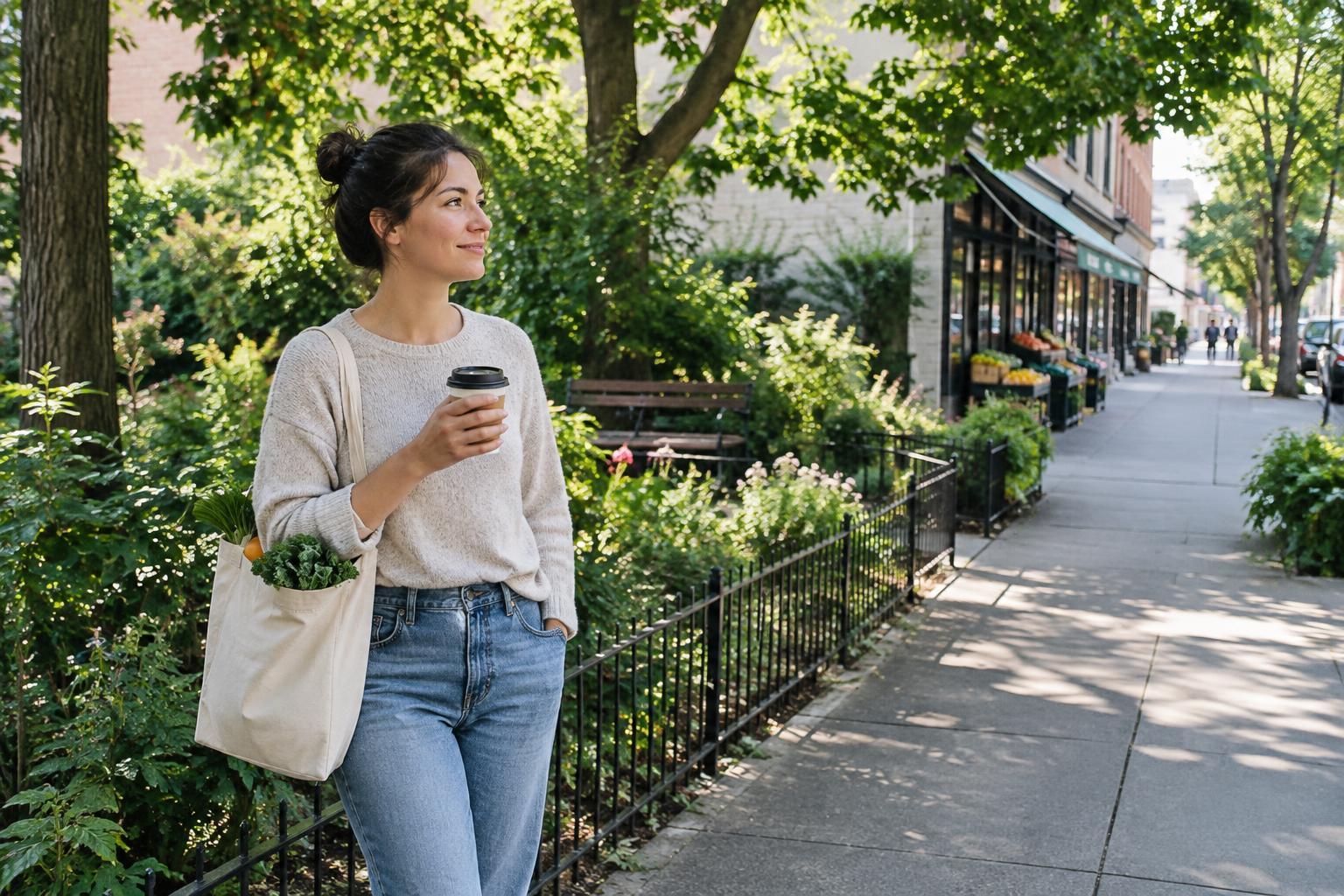
Going out alone can feel surprisingly different from running an errand alone. An errand gives you a task; a leisurely outing asks you to decide what you want to do. If that feels awkward, begin with a destination that has a built-in activity: a library, a plant shop, a walking path or a café where you can sit with a drink. You do not need to make an afternoon of it. Twenty minutes can be enough for a first try.
Choose a place you can reach without a complicated journey, ideally one you already know a little. Familiarity removes some of the decisions that can make a small plan feel big. You might walk to a nearby park and take one loop, browse a bookshop for a new recipe idea or visit a bakery you usually pass on the way to somewhere else. The point is not to prove you are adventurous. It is to give yourself an outing that fits the time and energy you have.
Give the outing a loose shape
A simple plan can ease the moment when you arrive and wonder what to do with yourself. Pick one main activity and one optional extra. For example: walk through the garden, then decide whether to stop for tea. Or visit a small museum, then head home unless you feel like exploring the surrounding streets. An optional second stop makes room for spontaneity without turning it into an obligation.
Before you leave, check the practical details that matter for your particular trip, such as opening hours, the route home and whether you will need a ticket or cash. Bring what will make you comfortable: water, a layer for changing weather, headphones for the journey or a book for a quiet seat. Keep the preparation proportionate. A short outing should not require a morning of planning.
Make being alone feel natural
You may notice your own solo status more than anyone else does. It helps to have something to engage with when you first arrive: read the menu, look at a display, take a few photos or follow a path to its next turn. An activity gives your attention somewhere useful to go while you settle in. If you want to put your phone away, you can simply notice details you might miss with company, such as shop windows, garden colors or the sounds along a route.
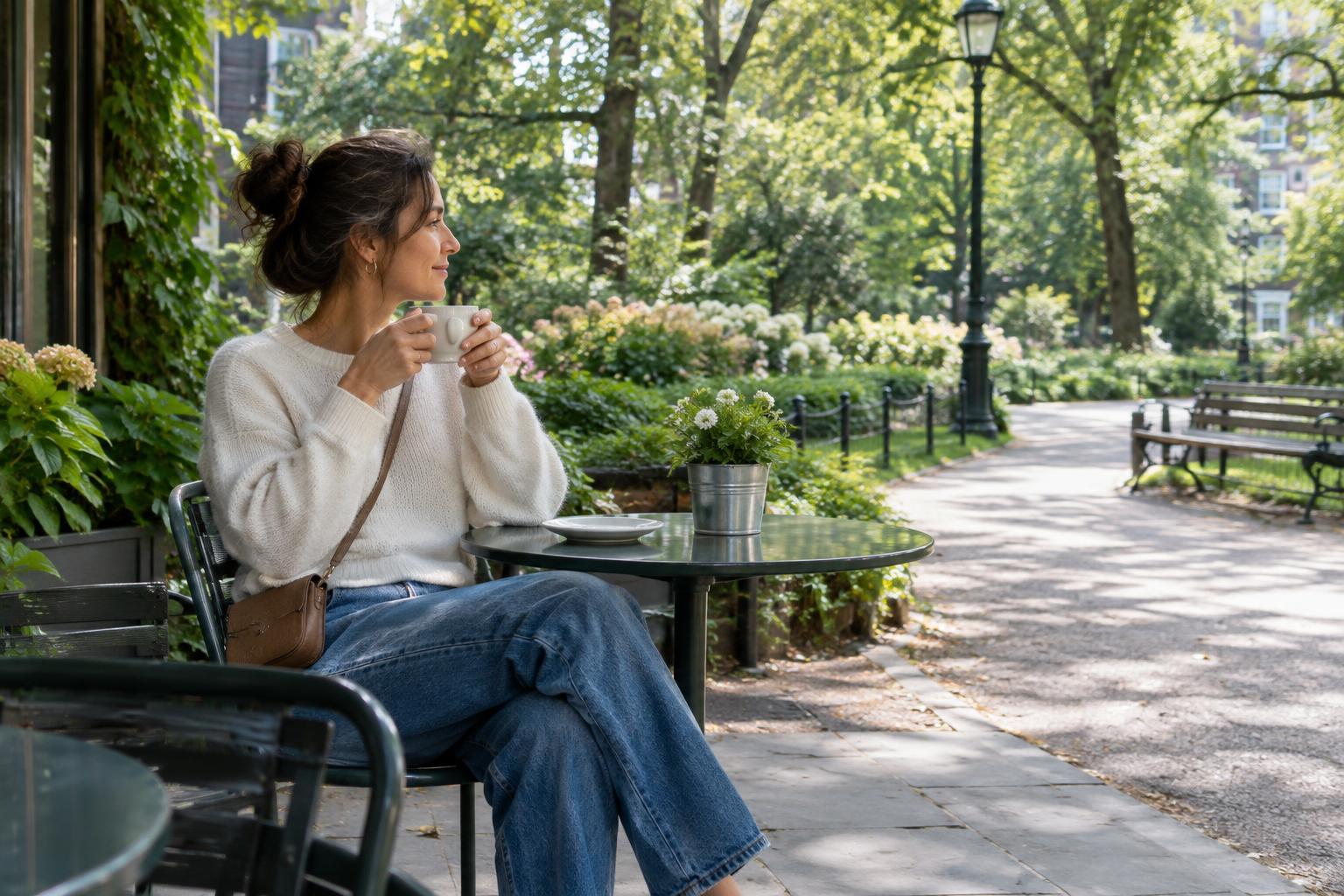
There is no rule that a solo outing must be a screen-free exercise in mindfulness. You can send a friend a picture, listen to music or read on a bench. Equally, you do not need to look busy every second. Sitting with a coffee and watching the world go by is a perfectly good use of your time. Aim for what feels pleasant to you, rather than an idealized version of what going out alone should look like.
Leave yourself an easy exit
Comfort often comes from knowing you can change your mind. Choose a route and a time of day that feel manageable, and let someone know your plans if that helps you feel at ease. Pay attention to your surroundings as you would on any outing. If a place is crowded, noisy or simply not what you expected, you can move on or go home. Leaving after ten minutes does not make the trip a failure; you still tried something and learned what you would prefer next time.
It may also help to set a modest spending limit before you go. Solo time need not depend on buying a meal or an admission ticket. A free exhibition, neighborhood walk or visit to the library can offer a change of scene with little cost. When the logistics feel flexible, it is easier to enjoy the outing rather than measure whether it was worth the effort.
Notice what you liked, then try another
After you get home, ask yourself one useful question: what part would I do again? Perhaps it was the quiet walk there, choosing a table by the window or having time to browse without rushing. Keep that detail and adjust the rest. If sitting alone felt uncomfortable, try an outing that keeps you moving. If the walk was tiring, choose somewhere closer next weekend.
A comfortable solo outing does not have to transform your weekend. It can be a small pocket of time shaped around your own curiosity and pace. Repeat a favorite route until it feels ordinary, or try a new stop when you want a change. Both count.