Start with the task, not the outfit
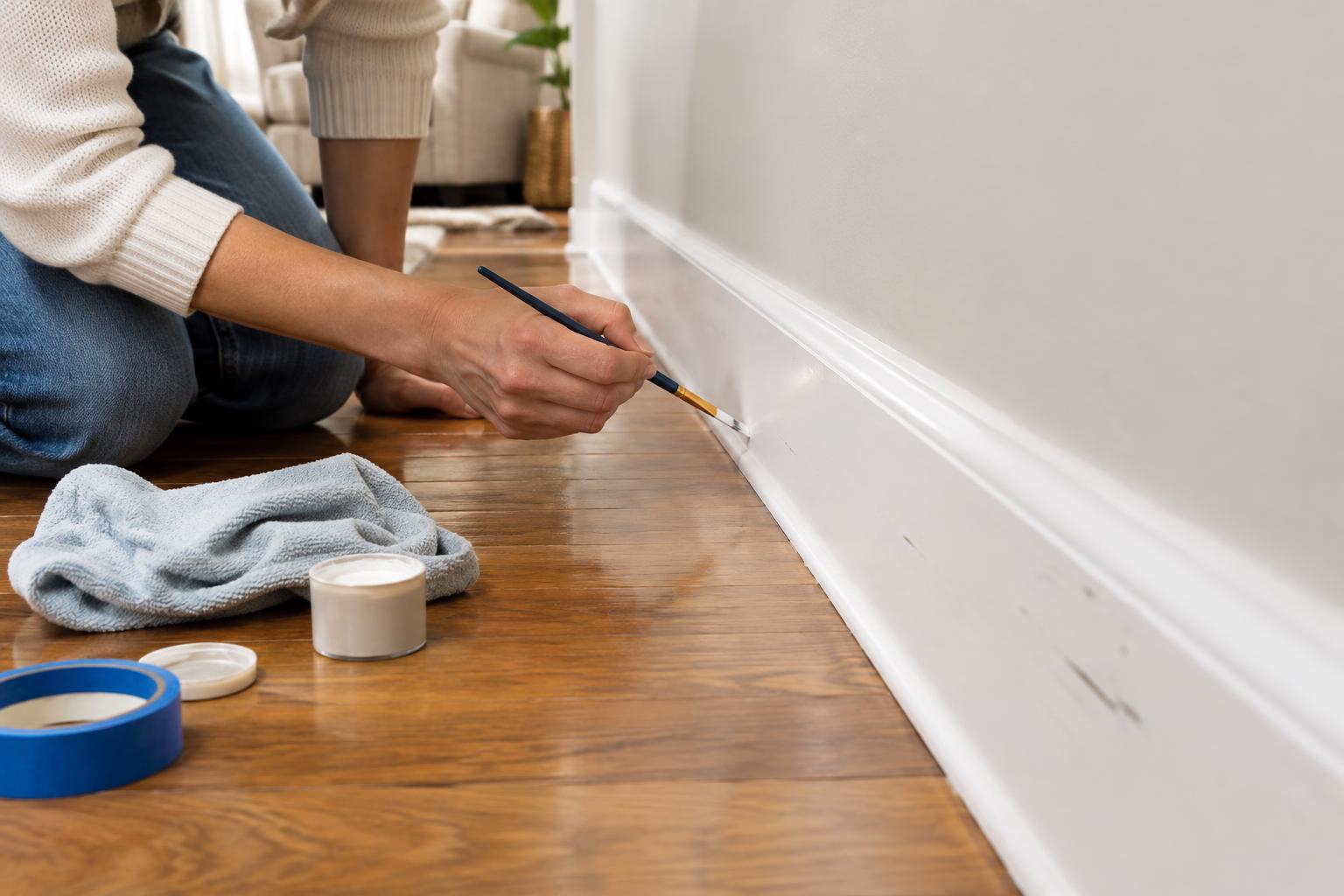
A hands-on weekend plan might involve kneeling beside a planter, reaching across a worktable or carrying supplies between rooms. Before choosing clothes, picture the movements you’ll make and the materials you’ll handle. Water and soil call for different precautions than paint, glue or sawdust. You don’t need a specialized outfit for every activity, but a minute of planning can spare you the distraction of tugging at a hem or worrying about a favorite shirt.
Consider what happens before and after the task, too. If you’ll walk to a shop for supplies, you may want a clean outer layer that comes off when work begins. If you’re staying home, prioritize ease of movement. Set aside anything you would be upset to stain, even if you think the job will be tidy.
Choose a base you can move in
Start with clothes you already know feel comfortable for a few hours. A soft T-shirt or long-sleeved top with trousers or shorts that stay in place can be enough. Test the outfit by bending, squatting and reaching. If a waistband digs in, sleeves fall over your hands or a top rides up whenever you stretch, choose another piece before you begin.
Fit matters more than making everything loose. Very wide sleeves can brush against wet surfaces, while a tight top may make reaching awkward. Sleeves you can roll securely and trousers that don’t trail on the floor are often easier to work in. For tasks involving rough surfaces, consider whether you want more coverage on your arms or legs. Keep a hair tie or clip nearby if loose hair is likely to get in your way.
Add protection where you need it
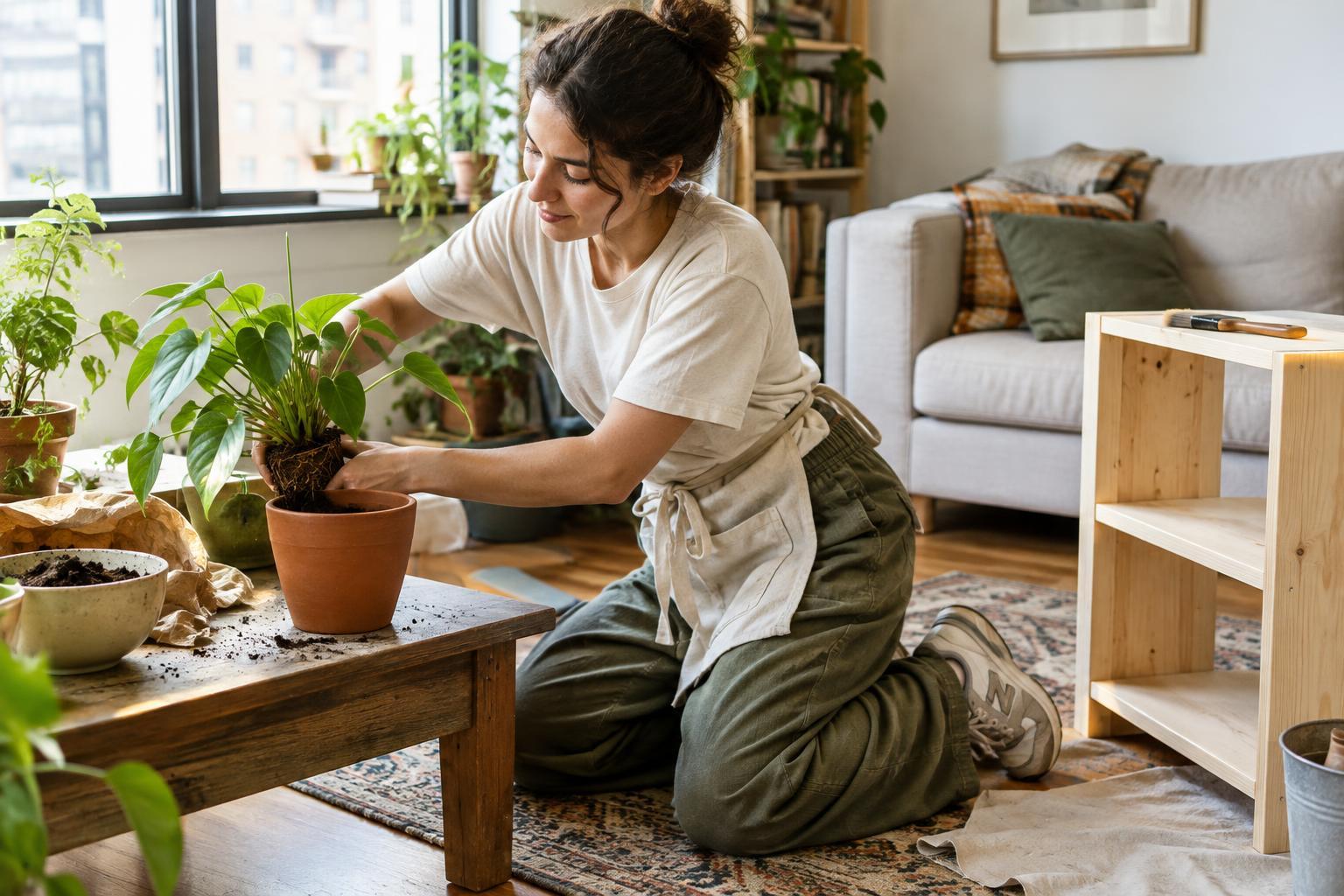
Rather than treating your whole outfit as expendable, protect the parts most likely to meet the mess. An apron can cover your front during cooking or crafting; an old button-up shirt can serve as a removable layer for a small painting job. For gardening, washable gloves may be more useful than changing every item of clothing. Choose protection to suit the activity, and follow the directions on any products or tools you use.
Pay attention to footwear. Closed-toe shoes may be a sensible choice when you’re carrying tools or working around dropped objects, while shoes that are easy to clean are useful for damp ground. Avoid footwear that slips off as you walk or makes you hesitant to move. If you need to step indoors during an outdoor project, decide in advance where muddy shoes will go.
Make room for a quick change of plans
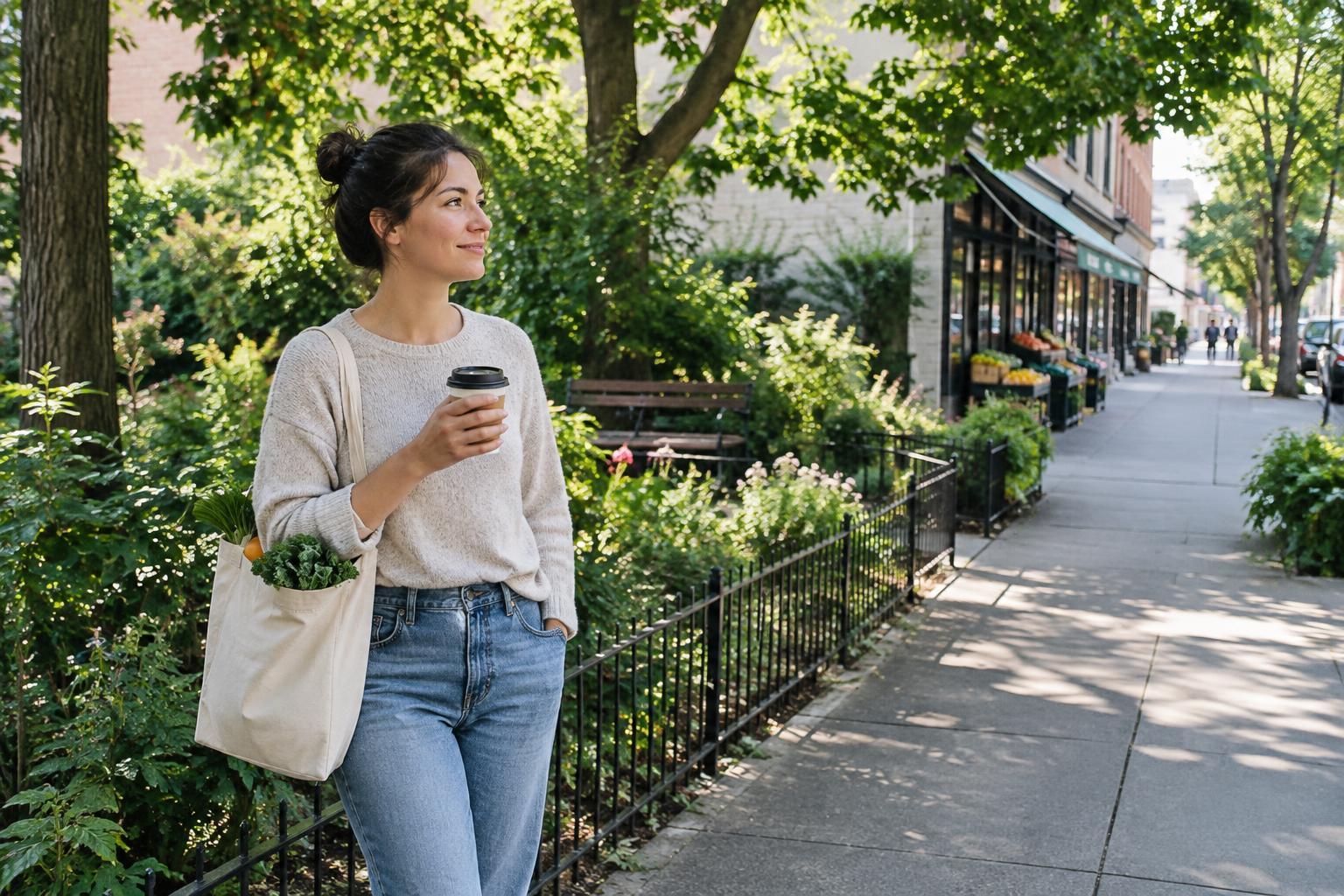
Weekend activities rarely stay neatly separated. You might finish repotting a plant and then head out for coffee. A simple way to prepare is to keep one clean piece aside: a shirt to change into, a lightweight layer to put on or a pair of shoes reserved for going out. You can then dress for the work itself without trying to keep every part of your outfit spotless.
Give your pockets a practical check before you start. Carry only what you need, such as a phone or keys, and put small tools somewhere they won’t poke you when you bend. If your task involves frequent trips between spaces, choose a convenient spot for your supplies instead of filling every pocket. A comfortable outfit should let you focus on the project, not manage your belongings.
Set up an easy reset
Before getting started, put a laundry basket or designated spot near the door so messy clothes have a place to land. Keep a towel handy if you expect to wash up, and check the care labels before treating any marks on clothing. Some stains are easier to address promptly, but rubbing at an unfamiliar mark can make the cleanup harder.
Afterward, notice what worked. Perhaps the sleeves stayed put but the shoes were uncomfortable, or the apron saved a shirt you enjoy wearing. That small observation makes the next outfit easier to choose. The goal isn’t to look perfectly polished through a messy task; it’s to feel at ease while doing something satisfying with your weekend.