Start with a small area and a comfortable time limit
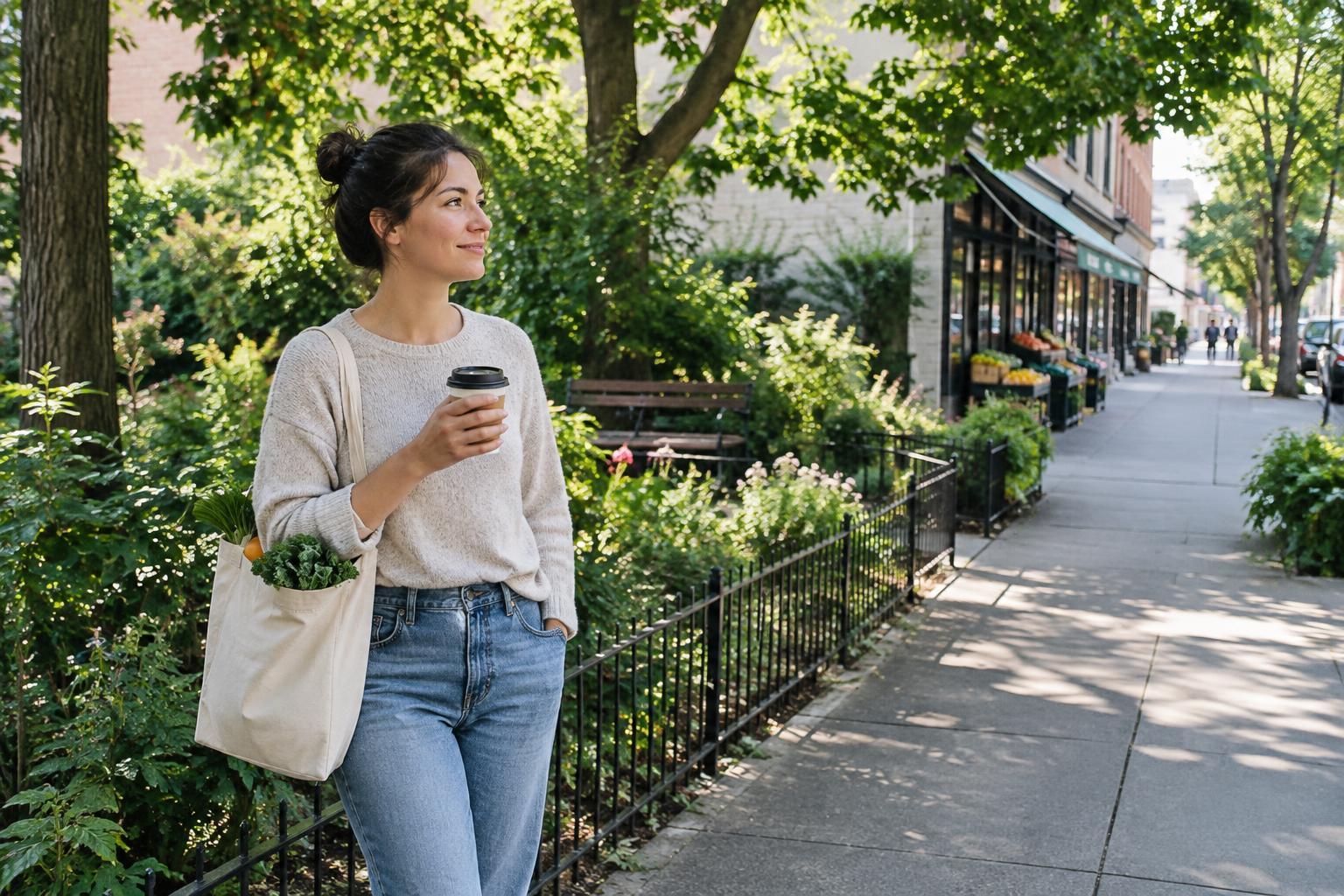
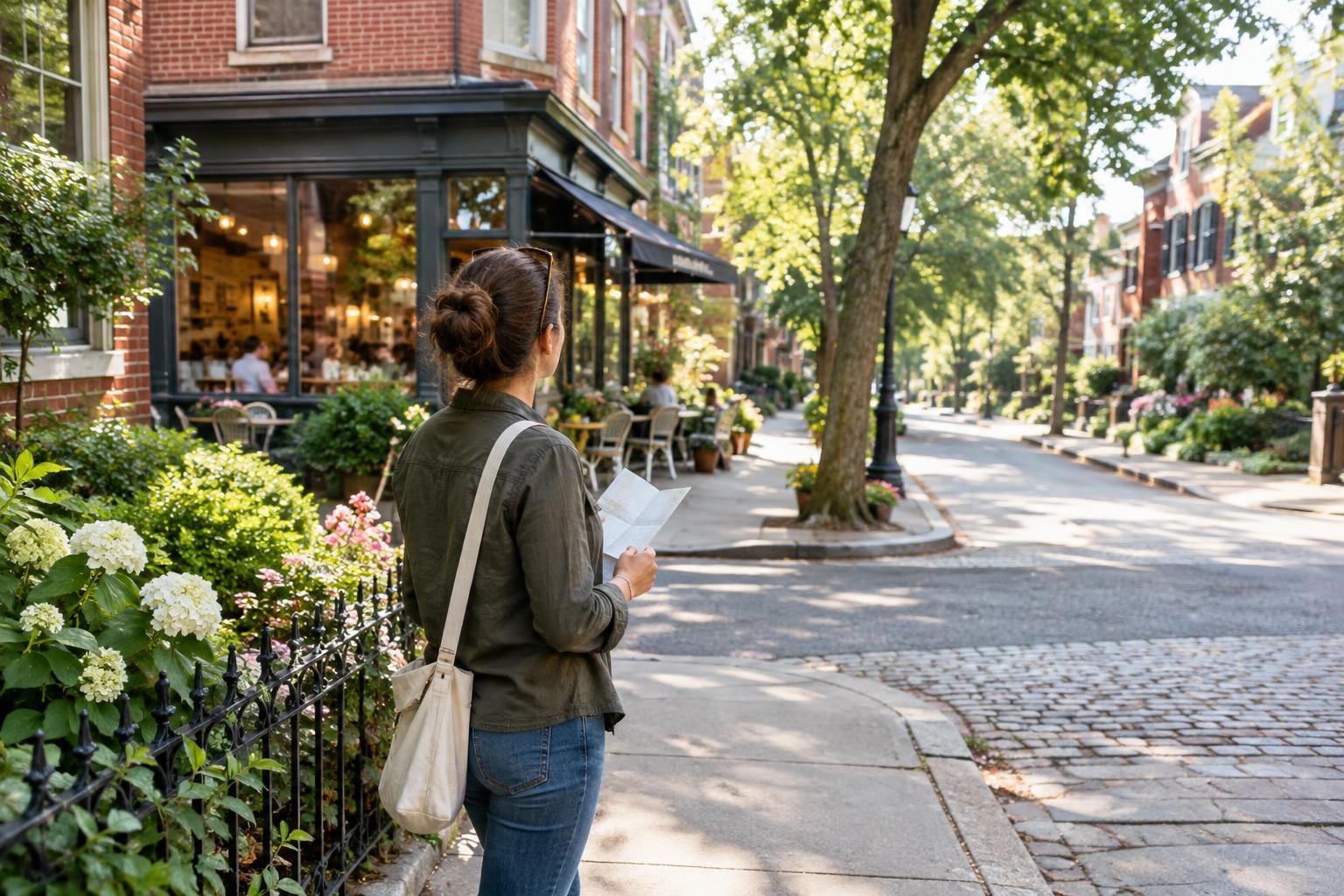
A self-guided walk is an easy way to make a familiar weekend feel different. You can explore a neighborhood across town or pay closer attention to one you pass through every day. Instead of trying to cover every interesting street, choose an area small enough to enjoy without rushing. A few connected blocks, a main street and its side roads, or a loop around a park can all work.
Decide how much time you want to spend out, including a pause or two. Then pick a starting point you can reach easily and a sensible place to finish. A loop is convenient if you need to return to a parked bike, car, or transit stop; a one-way route may suit you if there is an easy way home from the other end. Check the route before you leave for busy crossings, steep stretches, or other features that might affect your comfort.
Give the walk a loose theme
A theme turns an ordinary route into something to explore, without requiring detailed research. You might look for front gardens, painted doors, old and new building styles, small public spaces, or places where people gather. Pick one subject that genuinely interests you. The goal is not to identify every feature correctly; it is to have a reason to slow down and look.
You can also frame the walk as a question: Where can you find a quiet place to sit? How does the character of the street change from one block to the next? Which details would you show a friend visiting for the first time? A question gives your walk direction while leaving space for unexpected discoveries.
Mark a few stops, then connect them simply
Choose two or three possible stops before you set out. These could be a public garden, a library, a mural visible from the sidewalk, a café, or a street with architecture you want to see. Check opening hours if going inside is important to your plan, but make sure the walk still works if a stop is closed. Often, the streets between stops are the most enjoyable part.
Connect your stops with a route that is easy to follow rather than one that squeezes in every landmark. Save the route on your phone or jot down a few street names. It helps to identify a shorter way back, too, especially if the weather changes or you simply feel ready to head home. Treat the plan as a guide, not a checklist: you can turn down an inviting public street or skip a stop that no longer appeals.
Pack lightly and walk considerately
Comfort matters more than special gear. Wear shoes you are happy to walk in, dress for the conditions, and bring water if you expect to be out for a while. A charged phone and a small note with your route can be useful. If you want to record what you see, a few photos or brief notes are enough; you do not need to document every block.
Remember that a neighborhood is also where people live and work. Stay on public paths, respect signs and private property, and keep entrances clear when you pause. If you take photos, be mindful of people and homes. These small courtesies make it easier to explore at a relaxed pace without treating the area as a display arranged for visitors.
Leave room for a satisfying finish
Give yourself permission to stop when the walk feels complete, even if you have not reached every point on your route. You might end with a seat in a public space, a simple snack, or a few quiet minutes before heading home. If you are walking with someone, compare what each of you noticed. Different details often stand out to different people.
Afterward, save only what would help with a future outing: a street worth revisiting, a stop to try another time, or a route change that would make the walk more comfortable. That small record can become the beginning of another walk. The best self-guided route is not the one that covers the most ground; it is the one that helps you enjoy the time you have.