Start with the change you want to notice
A free weekend can make every unfinished corner of your home look like a candidate for improvement. Before picking a project, ask what would make daily life a little easier or more pleasant. Perhaps you want an entryway where keys have a place, a balcony that invites you to sit outside, or a drawer that no longer slows down breakfast. A specific benefit is a better starting point than a vague plan to “get the house in shape.”
Then look for the smallest visible change that would deliver that benefit. You may not need to reorganize the entire kitchen to make mornings smoother; clearing and arranging one breakfast shelf could be enough. A good weekend project has boundaries you can name: one drawer, one wall, one piece of furniture, or one defined outdoor area. If you cannot point to where the project ends, narrow it before you begin.
Count the hidden steps, not just the main task
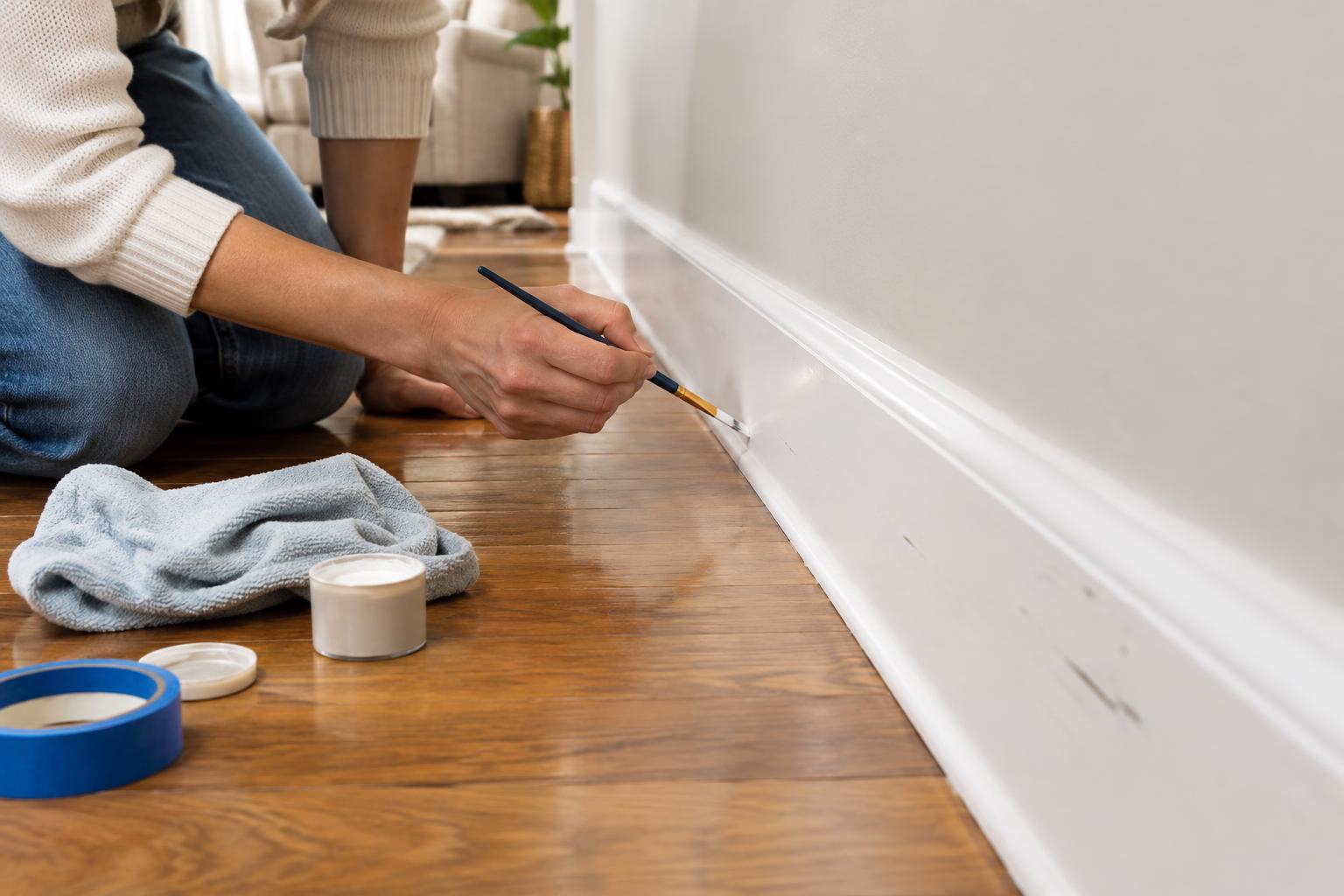
Projects often sound shorter when described by their most appealing step. “Paint the bookshelf” also means emptying it, protecting the floor, cleaning the surface, gathering supplies, allowing for drying time, and putting everything back. “Organize the closet” may include sorting, deciding what stays, finding containers, and taking unwanted items out of the house. Write a quick start-to-finish list before deciding whether the idea fits your weekend.
Check what you already have as well. Measure the space, confirm that a tool works, and read any product instructions before committing. If a project depends on a special purchase, a delivery, good weather, or help from another person, those are part of its schedule. Choose something else if too many pieces have to fall into place. Reserve time for setup and cleanup so that “finished” does not mean living with a pile of supplies.
Match the project to your actual weekend
A project should fit the hours and energy you have, not the weekend you wish you had. Look at your existing plans, then decide how much time you genuinely want to spend working. Leave space for meals, errands, breaks, and an unexpected delay. A task with several independent stages is easier to manage than one that must be completed in a single uninterrupted stretch.
Be honest about the kind of effort involved. Tidying a shelf asks for decisions; painting asks for preparation and patience; assembling furniture asks for concentration and room to work. If your week has been tiring, a gentle refresh may feel more restorative than a demanding makeover. There is no rule that a worthwhile home project must transform a whole room. Fixing one recurring annoyance can be satisfying precisely because you will notice it often.
Define a finish line and a smaller backup
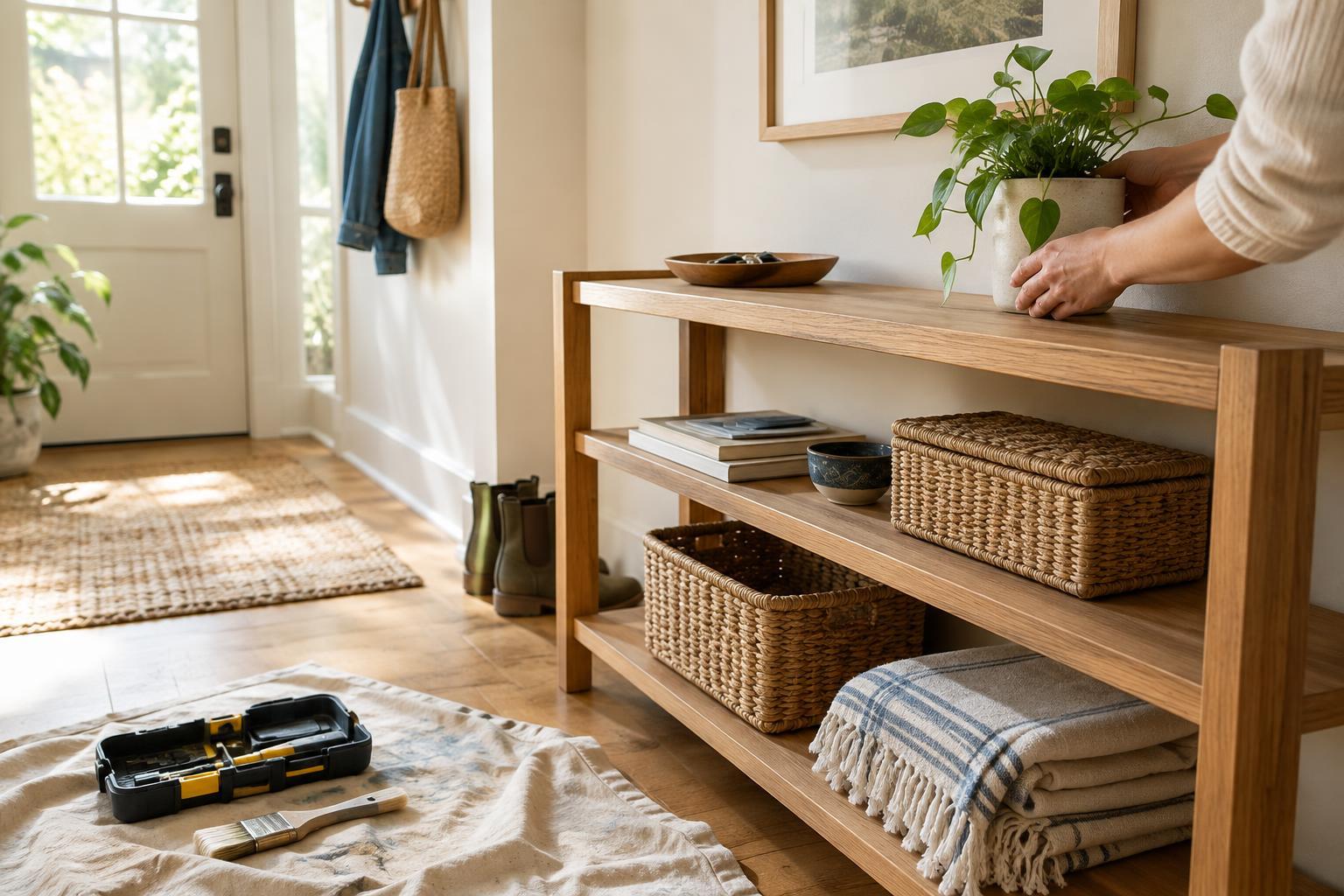
Before starting, write one sentence describing what done looks like. For example: “The entryway shelf is cleared, the everyday items are arranged, and the discarded packaging is gone.” That sentence helps you avoid adding unrelated jobs midway through. If you discover that the coat hooks need replacing, you can put that on a later list rather than letting it expand this project.
Choose a smaller version you can complete if the day runs short. For a balcony refresh, the full plan might include cleaning the floor, rearranging seating, and repotting plants; the backup could be cleaning and arranging one comfortable corner. A backup is not a failure. It lets you end the weekend with a usable improvement instead of a half-finished space. Stop before taking on a new step that you cannot comfortably close out.
Make the last hour part of the plan
The final hour deserves a place on your schedule. Use it to put tools away, dispose of scraps appropriately, return everyday items to their spots, and check that the space is ready to use. If something needs more time to dry or settle, keep that area protected and leave yourself a clear reminder. You can take a photo of the finished space for your own satisfaction, but it does not need to look like a dramatic before-and-after to count.
Afterward, notice what helped and what took longer than expected. That small reflection makes the next project easier to choose. The best one-weekend project is not the biggest task you can squeeze in; it is a contained change that suits your available time and leaves your home, and your next week, a little easier to enjoy.