Start with a reason you want to come back
A new hobby often starts with a burst of enthusiasm: you buy a sketchbook, borrow a camera or find a set of knitting needles. Then an ordinary week gets crowded, and practice begins to sound like one more task. Before you make a schedule, name what you enjoy about the activity. Maybe you like noticing details while drawing, making something with your hands or having a quiet hour away from screens. Let that reason shape your routine.
Pick a goal small enough to fit into your life as it is now. Instead of “get good at watercolor,” try “paint one small object on Saturday morning.” You can still have bigger ambitions, but a small goal gives you a clear place to begin. It also lets a short session feel complete rather than like a fraction of a plan you failed to finish.
Make the starting step almost effortless
Choose a practice window you can usually protect, even if it is only 15 or 20 minutes. A beginner session does not need to fill an afternoon. It needs enough time to settle in, try something and notice what you might do next. If weekends are unpredictable, choose a cue instead of a fixed hour: after breakfast, when you get home from an outing or before you put away the laundry.
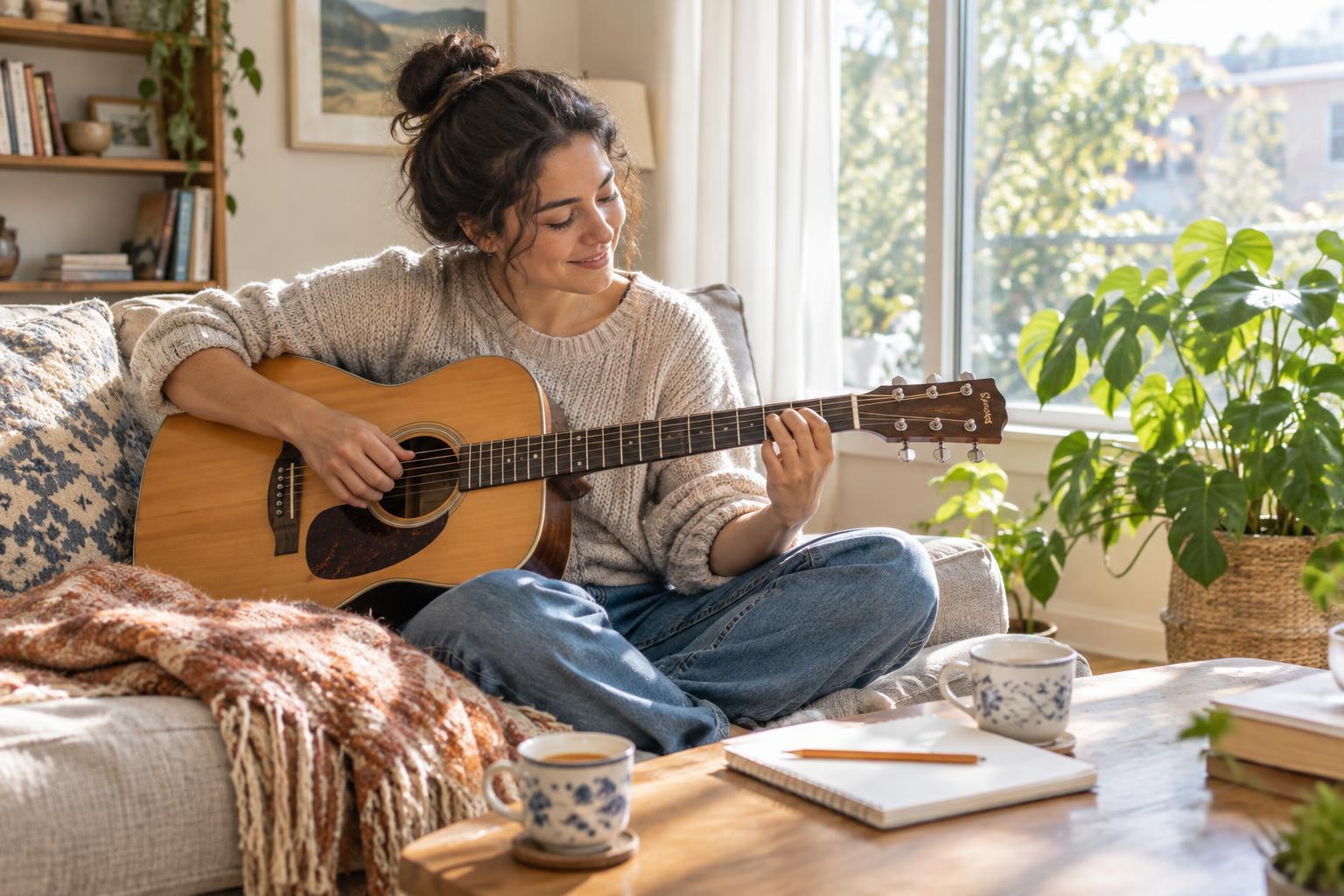
Reduce the setup work ahead of time. Keep the materials you use most often together, and decide on a first action before the session begins. A guitar learner might tune the instrument and play a familiar chord change; a photographer might take five pictures of light near home. If getting started takes more effort than practicing, simplify the session rather than asking yourself for more willpower.
Give each session a loose shape
A simple structure can help you avoid spending your limited time deciding what to do. Try three parts: begin with something familiar, explore one small skill and finish with something enjoyable. For a cook learning to bake, that could mean reviewing a recipe, trying one mixing technique and then making a version you are excited to eat. For a language learner, it might be revisiting known words, practicing one new phrase and using it in a short, playful sentence.
Keep the focus narrow. Working on one brushstroke, stitch or rhythm gives you something to notice without turning every session into a test. When your planned time ends, you may stop, even if you feel you could do more. Ending with a little curiosity left over can make the next session easier to approach.
Track what helps, not just how often you practice
A streak can be motivating, but it can also make a missed day seem bigger than it is. If you want a record, keep it light: write down what you tried, one thing you noticed and what you might try next. “The thicker paper was easier to paint on” is more useful than a judgment about whether the painting was good. These notes can save you time when you return after a busy week.
Build in options for different energy levels. On a lively weekend, you might take a longer class or start a project. On a tired one, you might watch a short demonstration, organize supplies or repeat something you already know. Rest can be an option too. A flexible routine makes it easier to return without treating every interruption as a setback.
Protect time for doing it just for fun
Practice can help you learn, but not every hobby session needs a lesson. Make space to doodle without a subject, play songs you already know or take pictures simply because a walk looks interesting. You can alternate a focused session with a free one, or reserve the last few minutes of each practice for experimenting. That time is part of the hobby, not a reward you have to earn.
After a few weekends, ask yourself whether the routine makes starting easier and leaves you wanting to return. If it feels heavy, shorten it, change the cue or choose a more inviting project. The point is not to follow a perfect plan. It is to give something you enjoy a welcoming place in the time you have.


