Start with the meal, not the package
Fresh, frozen and canned vegetables can all earn a place in a quick-meal routine. The most useful question is not which type is best overall, but what you need tonight. Are you making a crunchy salad, a hot skillet dinner or a soup that can simmer while you set the table? Texture, preparation time and what you already have on hand will usually point you toward a good choice.
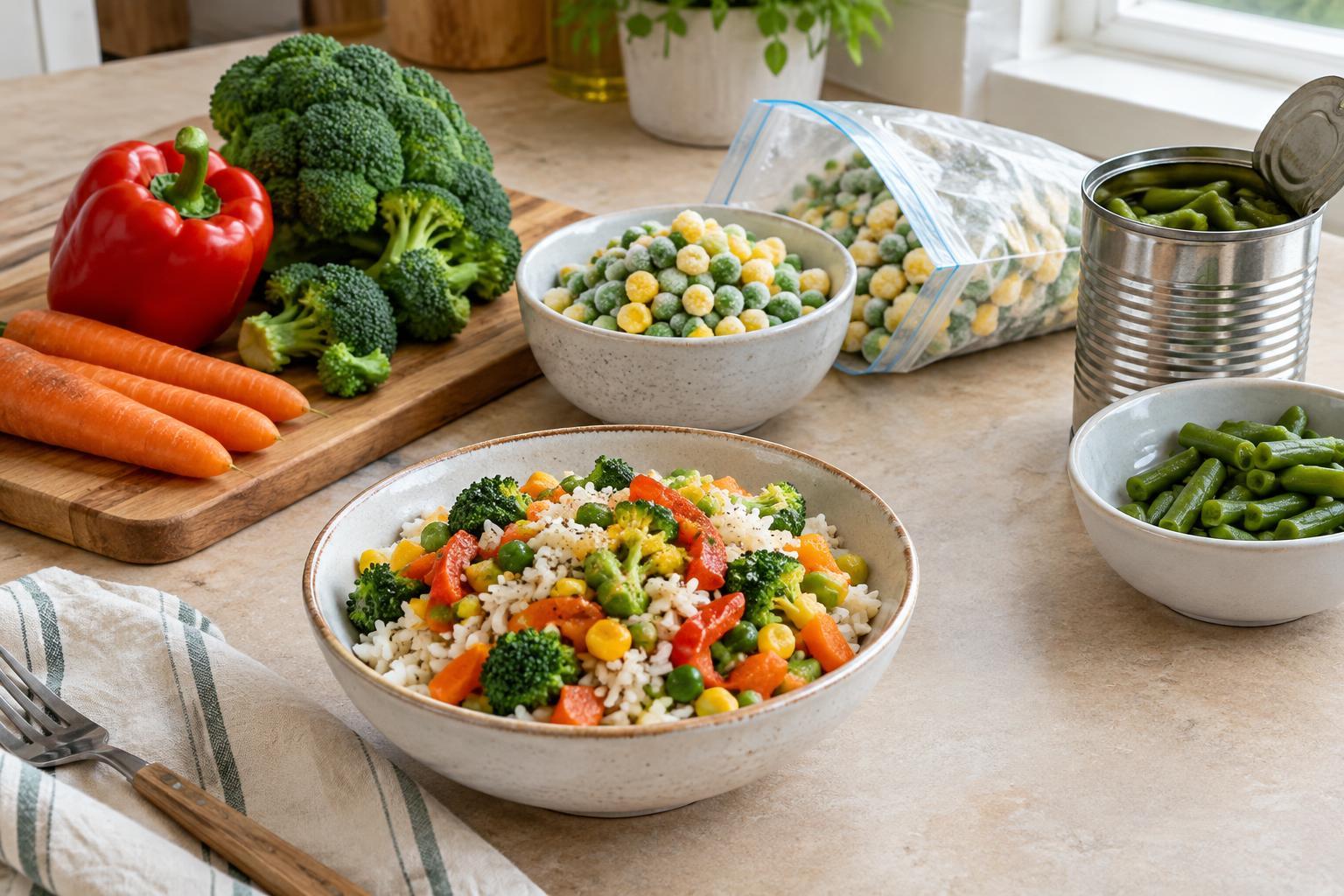
Fresh vegetables are especially useful when you want crispness or plan to eat them raw. Frozen vegetables are convenient for cooked dishes because much of the washing and cutting is already done. Canned vegetables are ready to add to many meals after draining, making them helpful when you have little time or an empty produce drawer. You can also combine types: fresh greens with canned beans and warmed frozen corn make a satisfying bowl without much chopping.
Choose fresh when texture matters
Reach for fresh vegetables when a meal depends on a firm bite or bright, uncooked finish. Sliced cucumber and tomato can turn a sandwich into a plate lunch; shredded cabbage holds up well in a quick slaw; and carrots, peppers or radishes bring crunch to a grain bowl. Tender greens and herbs are useful finishing touches, even when the rest of the meal comes from the freezer or pantry.
Fresh does not have to mean a long session at the cutting board. Pick one or two vegetables you will use in several ways, then do a little prep when you have time. Washed greens can go into wraps or alongside eggs, while cut carrots can be served raw or added to a stir-fry. If your plans often change, buy amounts you can realistically use rather than filling the crisper with ambitious intentions.
Use frozen vegetables for fast, hot dishes
Frozen vegetables are a practical shortcut for meals that will be cooked: fried rice, pasta, soup, curry or a skillet of eggs and potatoes. Peas, spinach, broccoli and mixed vegetables can go into many dishes without advance chopping. Check the package for preparation directions, especially for blends with sauces or larger pieces. You can usually add plain frozen vegetables directly to a hot dish, then cook until they are heated through.
For better texture, give moisture somewhere to go. A crowded skillet can leave vegetables soft rather than browned, so use a roomy pan or cook in batches when you want some color. Add quick-cooking vegetables such as peas near the end of a recipe. Frozen spinach is useful in sauces and fillings, but it can release plenty of water; cooking off that liquid or squeezing out thawed spinach helps keep the finished dish from becoming watery.
Keep canned vegetables for low-effort meals
Canned vegetables shine when speed and shelf storage matter more than crispness. Tomatoes can become a simple sauce or soup base; corn can round out a rice bowl; and green beans can be warmed with garlic and olive oil for a quick side. Their softer texture often works best in dishes with a sauce, broth or other ingredients, rather than in recipes that rely on a fresh snap.
Taste and seasoning vary by product. If you prefer to control the salt in a dish, look at the label and consider draining and rinsing vegetables packed in liquid. Add them near the end of cooking when they only need to warm through. Once opened, transfer leftovers to a covered container and refrigerate them according to the package guidance.
Build a small, flexible vegetable plan
You do not need a perfect produce strategy to eat a more varied dinner. A simple mix might be one fresh vegetable for crunch, one frozen option for hot meals and one or two cans for backup. For example, keep cabbage for slaw and wraps, frozen broccoli for noodles or pasta, and canned tomatoes for a quick sauce. Choose ingredients that suit meals you already make, rather than planning an entirely new menu around them.
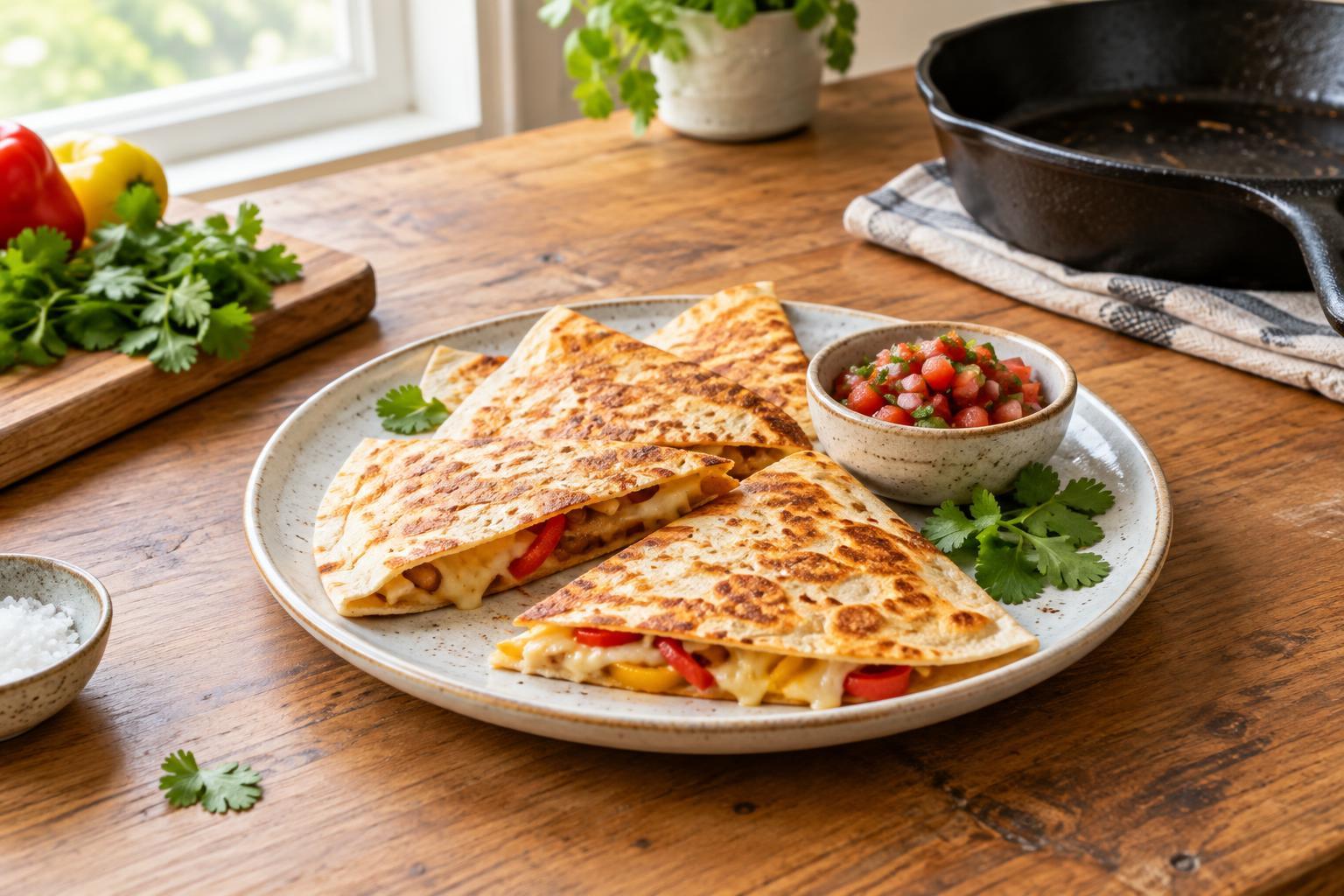
On a busy evening, start with a familiar base—toast, rice, pasta, eggs or a tortilla—then add the vegetable that needs the least work. Sauté frozen greens for eggs, spoon warmed canned tomatoes over pasta, or pile fresh chopped vegetables into a wrap. The best choice is the one that helps you make a meal you want to eat, with enough ease that you will do it again.