Starting before the project has clear boundaries
A weekend project often begins with one appealing task: hang a shelf, refresh a small piece of furniture, or organize a closet. Trouble starts when “while I’m at it” turns that task into three. Each addition can call for different materials, tools, or drying time. Before shopping, write down what a finished version of the project will look like. Keep optional improvements on a separate list so they do not quietly become part of the first store run.
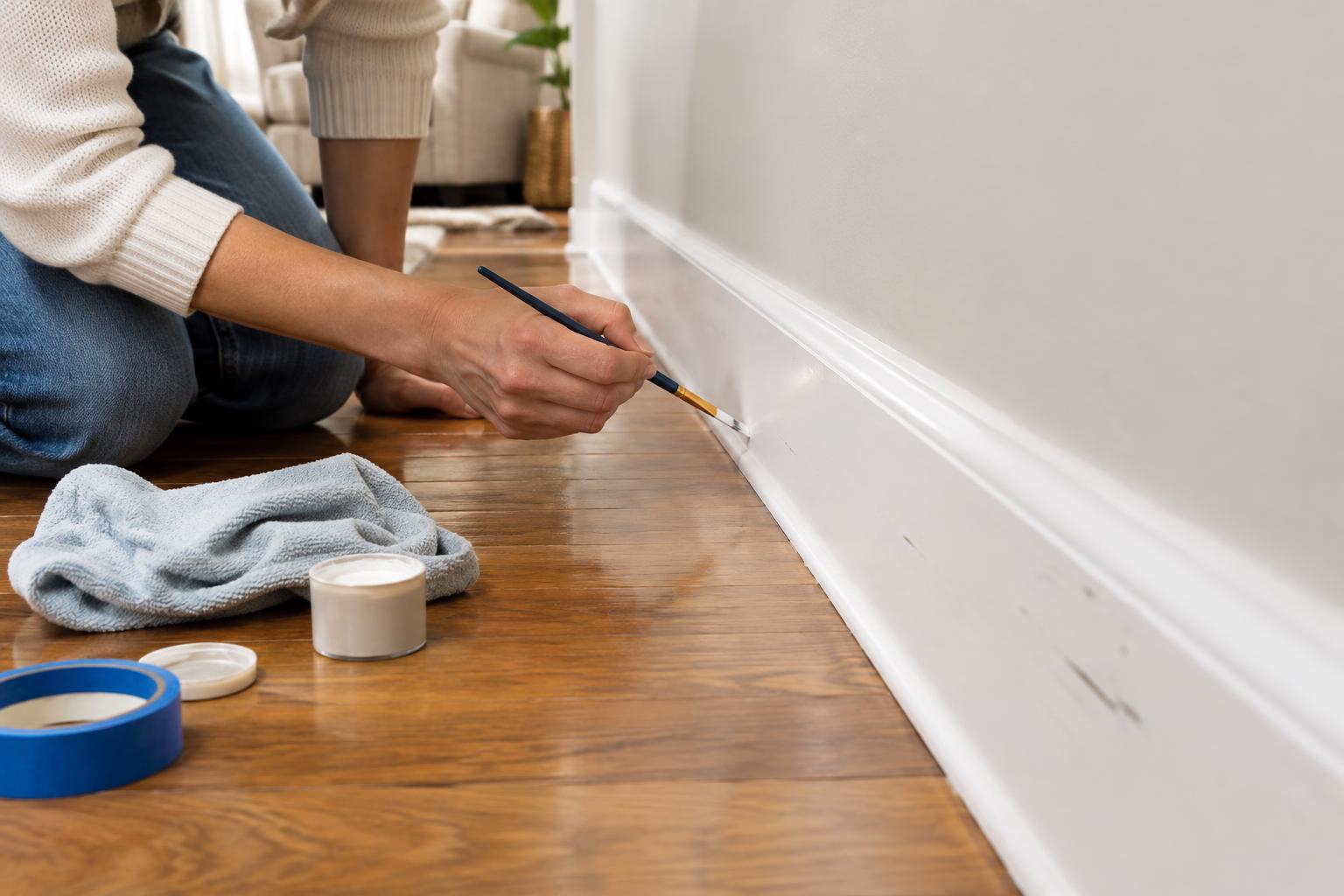
Walk through the job from setup to cleanup. If you are painting a table, for example, your plan might include moving it, protecting the floor, cleaning it, preparing the surface, applying the finish, and leaving it undisturbed while it dries. This short sequence makes less obvious needs easier to spot, including drop cloths, cleaning supplies, or a place to set wet brushes.
Guessing at measurements and quantities
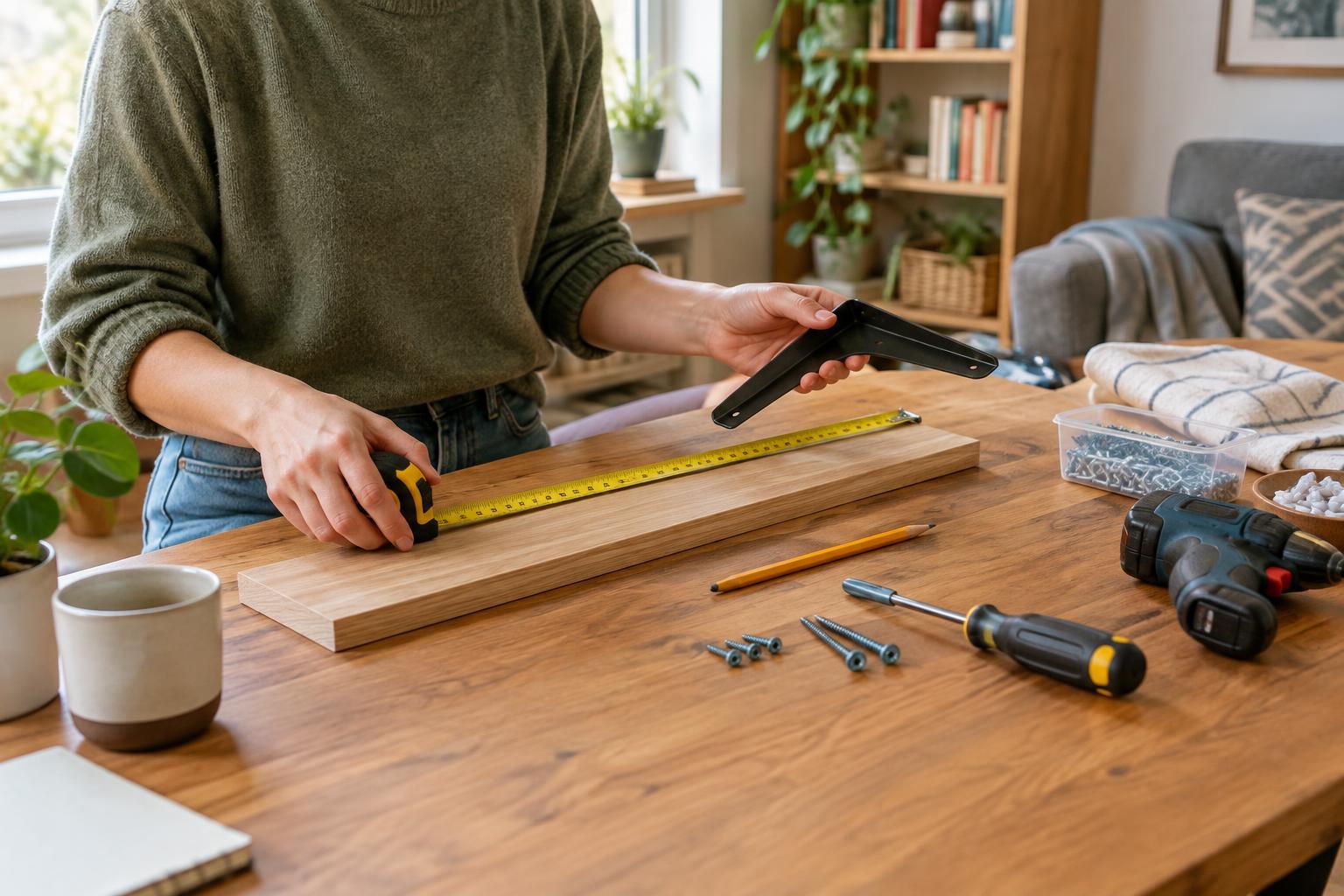
A measurement that seems close enough at home can become a wrong-size purchase at the store. Measure the actual space and the item that will go into it. For a shelf, note the available width, desired depth, and locations of nearby doors, switches, or trim. For a storage project, measure both the container and the opening it must pass through. Record the numbers with their units on your phone or a piece of paper rather than relying on memory.
Quantity deserves the same care. Count the shelves, hooks, handles, or other repeated parts you need, then check how many come in each package. For paint, flooring, or other materials sold by coverage, use the product information and your measured area to make an estimate. A small allowance for mistakes may be useful, but buying extra without a plan can create another storage problem. Check the return policy if you are unsure.
Checking materials but forgetting the small supplies
Many repeat trips are for items that do not appear in the finished project. Fasteners, painter’s tape, sandpaper, batteries, drill bits, gloves, and cleanup supplies are easy to overlook when attention is on the shelf or paint color. Make two lists: materials that stay in the project and supplies needed to do the work. Then lay out the tools and supplies you think you already own. Seeing them together is more reliable than remembering that a particular bit is “somewhere in the drawer.”
Check condition as well as presence. A dried-out adhesive, nearly empty paint can, worn brush, or dull blade may not be useful when the project reaches that step. If you need a tool only once, consider whether you can borrow one rather than buy it. Either way, confirm that you have access to it before you begin.
Buying parts without checking compatibility
The right-looking part is not always the right-fitting part. Brackets, screws, anchors, bulbs, and replacement hardware come in variations that matter. Before shopping, inspect what you are attaching something to and what you are attaching it with. If you are replacing a part, bring the old one or clear photos of it, along with relevant measurements. Check product labels for size, intended use, and any required companion pieces.
Be especially cautious when the existing surface is uncertain. A wall-mounted item, for example, needs fasteners suited to both the wall and the load. If you cannot tell what is behind the wall or whether the proposed installation is appropriate, pause rather than choosing hardware by appearance alone. Resolving that question before checkout is usually easier than discovering the mismatch with tools already spread across the room.
Leaving the shopping check until the last minute
A rushed store visit makes it tempting to skip the instructions and grab what looks familiar. Set aside a few minutes before leaving to read the directions for any products you plan to use. Note preparation requirements, tools, drying or curing time, and cleanup needs. Some products also require a particular surface condition or application method. Knowing that before you buy helps you choose supplies for the whole process, not just the most visible step.
Finally, group your list by task and mark what you already have. Keep measurements and photos with it so you can check a package without guessing. You cannot prevent every unexpected snag, especially when a project reveals something hidden. A clear scope, a physical supply check, and a few compatibility questions can reduce avoidable store trips and leave more of the weekend for the project itself.