
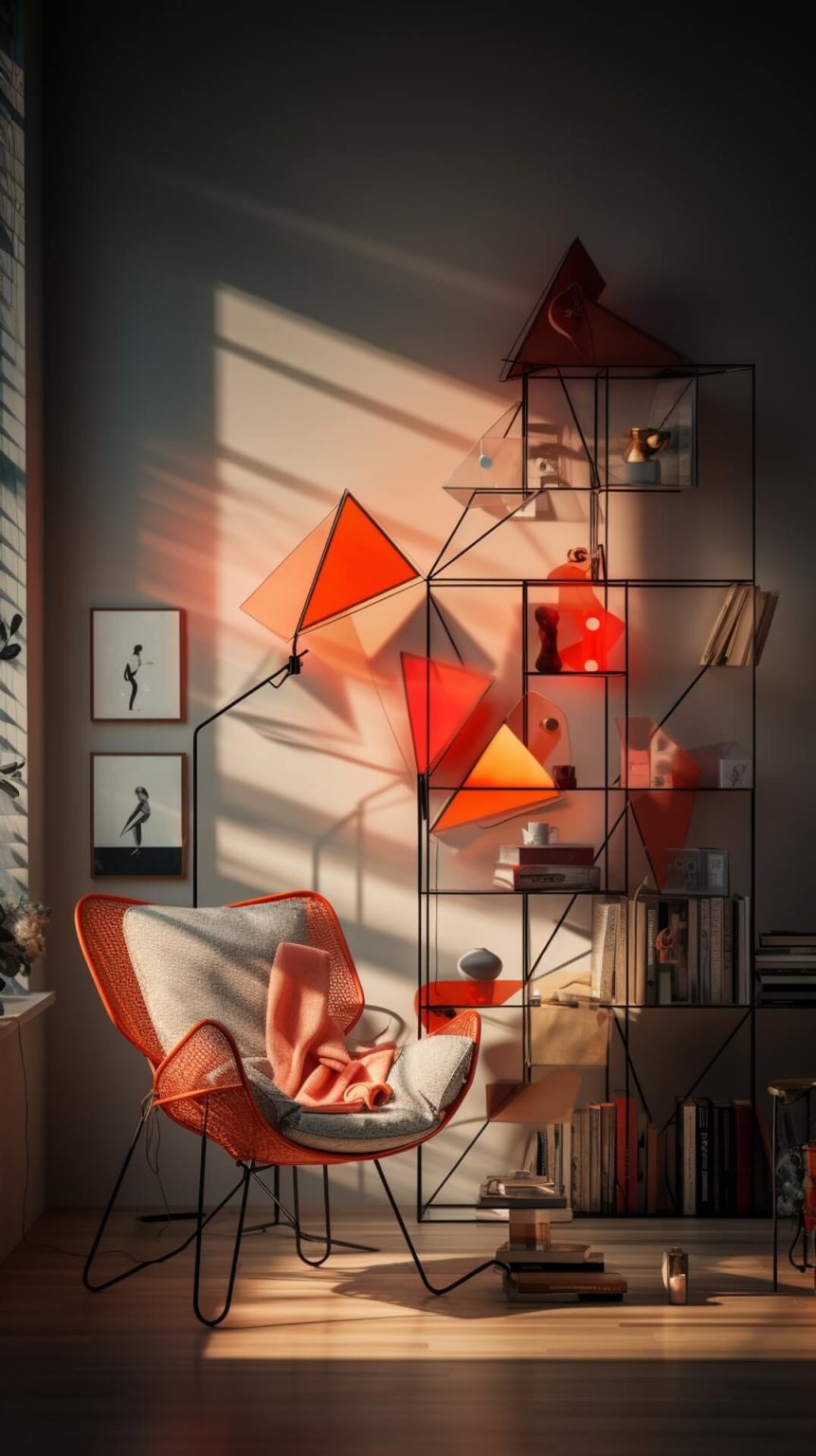
How to Balance Productivity and Creative Freedom
Balancing the demands of a busy schedule with the need for creative exploration can feel like a constant tug-of-war. Discover practical strategies and inspiring ideas on how to harmoniously blend productivity with the freedom your creative spirit craves, ensuring you both achieve your goals and nurture your artistic passions.
Understanding the Core Conflict
Many creatives grapple with the perceived dichotomy between structured, goal-oriented productivity and the spontaneous, often unstructured nature of creative work. Productivity often implies deadlines, efficiency, and measurable output, while creative freedom is associated with exploration, experimentation, and intrinsic motivation. The challenge lies not in choosing one over the other, but in finding an integrated approach that allows both to thrive.
The Pressure of Modern Life
In today’s fast-paced world, there’s often an emphasis on constant output and visible achievement. This can lead to burnout and stifle the very creativity that makes our work unique. Recognizing this pressure is the first step toward re-evaluating how we approach our creative lifestyle and work habits.
Strategies for Harmonizing Productivity and Creativity
Achieving a healthy work-life balance and fostering creative freedom requires intentional effort and a willingness to experiment with different approaches. Here are some effective strategies:
Time Blocking for Creative Flow
While it might seem counterintuitive, dedicating specific blocks of time for creative work can actually enhance freedom. By scheduling focused sessions for brainstorming, sketching, writing, or any other creative pursuit, you protect that time from being encroached upon by other demands. This method ensures that creativity gets the attention it deserves, fostering a sense of dedicated space for exploration.
Embrace the “Messy Middle”
Creativity rarely follows a linear path. There will be periods of uncertainty, experimentation, and even apparent “failure.” Instead of rushing through these phases, learn to embrace the “messy middle.” This is where true innovation often happens. Allow yourself time to explore tangents and follow your curiosity without immediate pressure for a polished outcome.
Batch Similar Tasks
To maximize efficiency, try batching similar tasks. This could mean dedicating a specific day for administrative work, responding to emails, or making calls. By grouping these less creatively demanding activities, you free up other blocks of time for deep, focused creative work. This structured approach to less engaging tasks can paradoxically enhance your creative freedom.
Setting Realistic Goals
Productivity doesn’t always mean working at full speed all the time. Setting realistic, achievable goals for your creative projects is crucial. Break down large projects into smaller, manageable steps. Celebrate small victories along the way. This approach prevents overwhelm and keeps motivation high, allowing for sustained creative output without burnout.
Incorporate Inspiration Rituals
Nurturing your creative spirit requires actively seeking inspiration. Develop rituals that feed your imagination. This could include reading books in your field, visiting art galleries, listening to podcasts, engaging with nature, or exploring new hobbies. Consistent exposure to diverse stimuli can spark new ideas and invigorate your creative process.
Leveraging Technology and Tools
Modern tools can be powerful allies in balancing productivity and creativity. Project management apps can help organize tasks and deadlines, while digital whiteboards and mind-mapping tools can facilitate brainstorming and idea generation. However, it’s important to use these tools mindfully, ensuring they support your workflow rather than becoming a source of distraction.
Digital Decluttering
A cluttered digital environment can mirror a cluttered mind. Regularly organize your files, manage your inbox, and unsubscribe from unnecessary newsletters. A streamlined digital workspace can reduce cognitive load and create more mental space for creative thinking and productive work.
Mindset Shifts for Creative Living
Beyond practical strategies, adopting a supportive mindset is key to fostering a creative lifestyle. Recognize that both productivity and creative freedom are essential components of a fulfilling life and career.
Cultivate a Growth Mindset
View challenges as opportunities for learning and growth. When faced with creative blocks or productivity plateaus, approach them with curiosity rather than frustration. A growth mindset encourages resilience and adaptability, essential traits for any creative professional.
Prioritize Rest and Recharge
Burnout is the enemy of both productivity and creativity. Ensure you are getting adequate rest, sleep, and downtime. Schedule regular breaks throughout your workday and take time off to fully disconnect and recharge. A well-rested mind is a more creative and productive mind.
Conclusion: The Art of Integration
Balancing productivity and creative freedom is not about achieving a perfect, static equilibrium, but rather about engaging in a dynamic, ongoing process of integration. By implementing structured strategies, actively seeking inspiration, and cultivating a resilient mindset, you can create a harmonious blend that fuels both your professional achievements and your artistic passions. This integrated approach allows you to live a more fulfilling and inspired creative lifestyle.
What are your favorite strategies for balancing productivity and creative freedom? Share your insights in the comments below!