
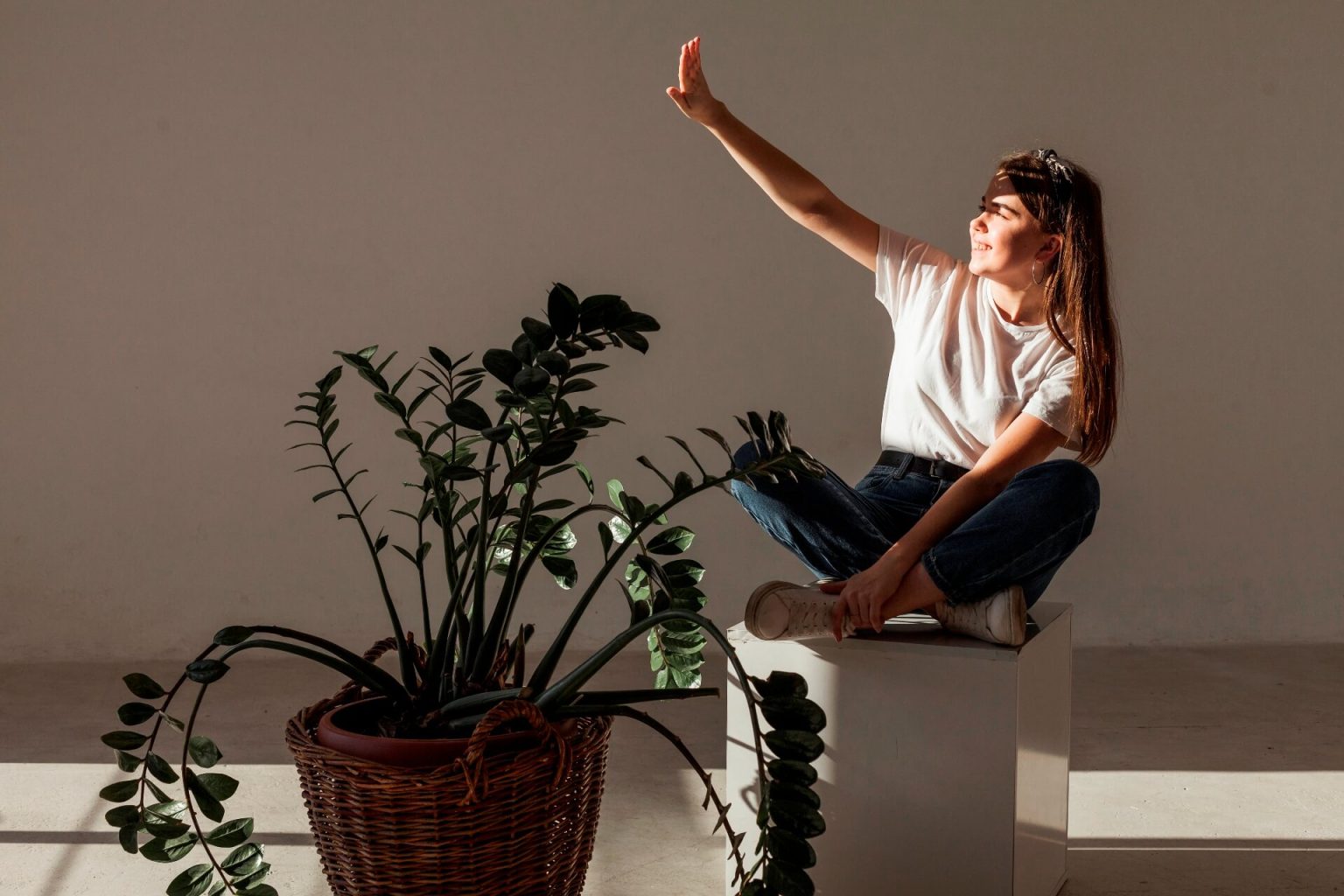
How Modern Consumers Are Redefining Luxury
Are you curious about how today’s consumers are reshaping the very definition of luxury? This article dives deep into the evolving modern lifestyle trends and the everyday inspiration that’s driving these changes, exploring the dynamic shifts in consumer behavior and the future of the luxury market.
The Shift from Possession to Experience
For decades, luxury was largely synonymous with tangible possessions – designer handbags, high-end watches, or exquisite jewelry. However, modern lifestyle trends reveal a significant pivot. Consumers, particularly younger generations like Millennials and Gen Z, are increasingly prioritizing experiences over ownership. This means that a lavish vacation, a unique culinary adventure, or exclusive access to an event can hold more perceived value and status than a material good. This shift is fundamentally altering what brands need to offer to capture the modern consumer’s attention and loyalty. The focus is moving from what you own to what you have lived.
Experiential Luxury: A New Frontier
Brands that successfully tap into this experiential trend are those that offer curated, memorable moments. Think of high-end hotels offering bespoke local tours, or luxury car manufacturers providing exclusive driving experiences. This approach not only creates deeper emotional connections with consumers but also fosters a sense of exclusivity and community, which are still core components of luxury, just expressed differently.
The Rise of Conscious Consumerism
Another powerful force in redefining luxury is the growing emphasis on ethical and sustainable practices. Modern consumers are more informed and discerning than ever before. They are actively seeking out brands that align with their values, demanding transparency in supply chains, commitment to environmental responsibility, and fair labor practices. Luxury is no longer just about quality and craftsmanship; it’s also about the positive impact a product or service has on the world.
- Ethical Sourcing: Consumers want to know where their products come from and under what conditions they were made.
- Sustainability: Eco-friendly materials, reduced waste, and carbon footprint reduction are becoming crucial factors.
- Social Responsibility: Brands that actively contribute to social causes or support their communities resonate strongly.
- Transparency: Open communication about business practices builds trust and brand loyalty.
This conscious consumerism is pushing luxury brands to innovate beyond aesthetics and performance, embedding purpose and positive impact into their very core. It’s a demand for luxury that feels good, not just looks good.
Personalization and Individuality as the New Status Symbols
In an era of mass production, true luxury is increasingly found in personalization and the ability to express one’s unique identity. Consumers are moving away from homogenous trends and seeking products and services that are tailored to their specific needs, preferences, and lifestyles. This manifests in various ways, from custom-made clothing and bespoke accessories to personalized digital experiences and curated subscription services.
The Digital Influence on Personalization
Technology plays a pivotal role in enabling this hyper-personalization. Advanced data analytics and AI allow brands to understand individual consumer behavior on a granular level, offering recommendations and products that feel uniquely curated for them. This digital-first approach to personalization is not just about convenience; it’s about making the consumer feel seen, understood, and valued, which is a hallmark of genuine luxury.
The Democratization of Luxury
While the traditional concept of luxury often implied exclusivity and unattainability, modern lifestyle trends are pointing towards a more accessible form of luxury. This doesn’t necessarily mean lower prices, but rather a broader range of entry points and interpretations. “Affordable luxury” brands are thriving, offering high-quality products with a touch of exclusivity at more accessible price points. Furthermore, the digital realm has opened up new avenues for experiencing luxury, such as virtual showrooms, online masterclasses, and exclusive digital content.
Everyday Inspiration and Accessible Luxury
Everyday inspiration can be found in small moments that elevate the ordinary. This could be a perfectly brewed cup of coffee in a beautifully designed mug, a moment of mindfulness in a serene home environment, or the use of high-quality, functional everyday items. Brands that cater to these smaller, more frequent moments of delight are tapping into a significant segment of the modern consumer market, redefining luxury not just as an occasional splurge but as an integrated aspect of daily life.
In conclusion, the definition of luxury is no longer static. Modern consumers are actively reshaping it through their evolving priorities, values, and behaviors. The focus has shifted from mere possession to meaningful experiences, from conspicuous consumption to conscious choices, and from mass appeal to profound personalization. Understanding these dynamics is crucial for brands looking to connect with today’s consumers and thrive in the ever-changing luxury market.
What aspects of modern luxury resonate most with you? Share your thoughts and everyday inspirations in the comments below!